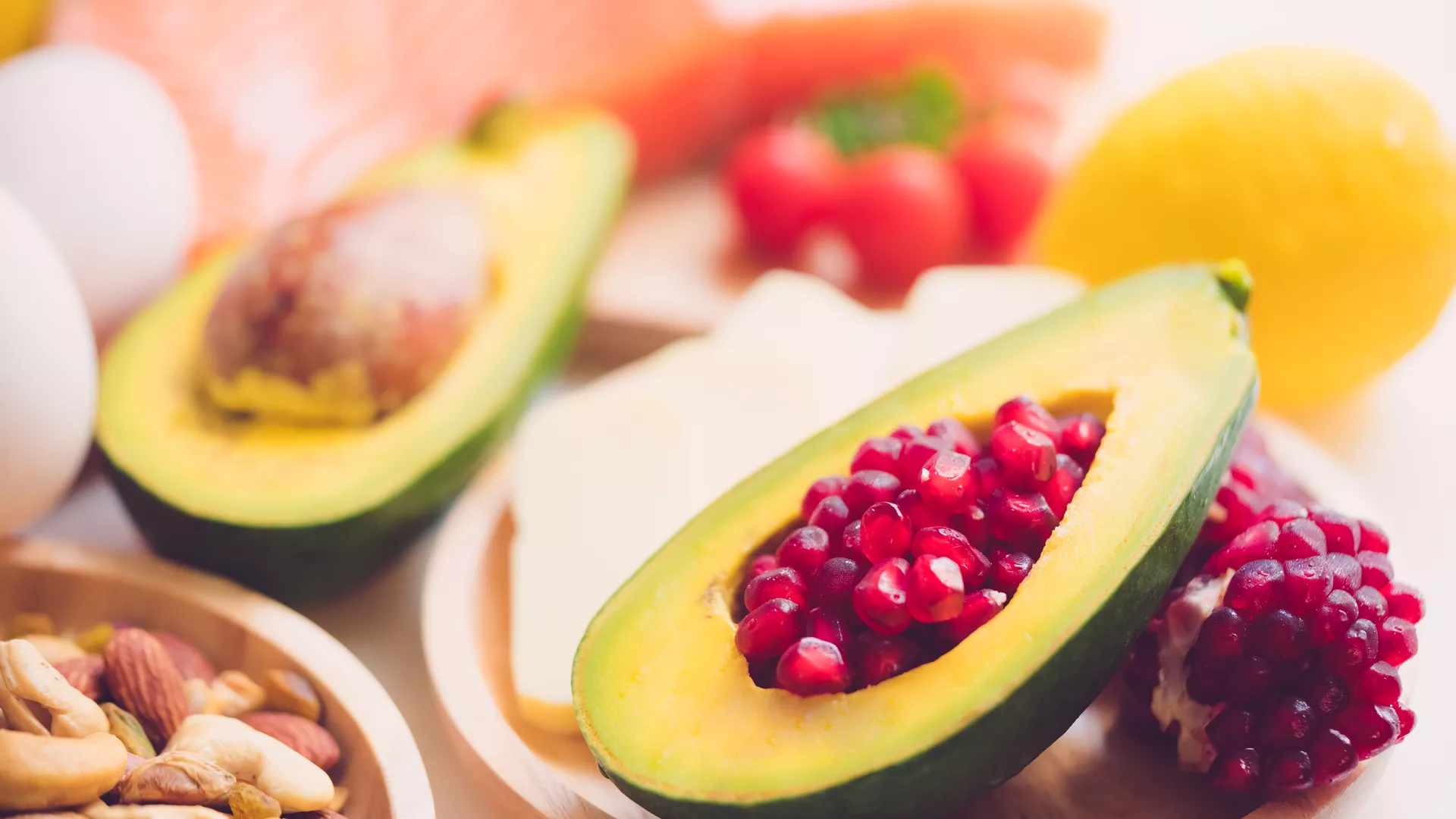
Have you ever wondered how some people seem to maintain a lean, energized physique without constantly battling extreme hunger? For celebrated Indian actress Samantha Ruth Prabhu, the secret isn't starvation or cutting out entire food groups. Instead, she consistently consumes roughly 100 grams of protein daily while maintaining a healthy, fit 50-kilogram frame. Her approach has sparked widespread interest across the wellness community, and modern nutritional science thoroughly backs her strategy.
The Secret Behind the Sizzle: Understanding the High-Protein Metabolic Boost
For decades, popular diet culture pushed the narrative that achieving a svelte figure required drastic calorie restriction and hours of cardiovascular exercise. However, metabolic specialists and nutrition researchers now champion a far more sustainable metric: optimizing protein intake. The logic is grounded in how our bodies process different macronutrients.
When you consume dietary protein—found in staples like eggs, lean poultry, Greek yogurt, fish, paneer, and legumes—your digestive system has to work significantly harder to break down those amino acid bonds than it does for simple carbohydrates or dietary fats. This internal energy expenditure is scientifically known as the Thermic Effect of Food (TEF).
While dietary carbohydrates demand roughly 5 to 10 percent of their caloric value just to be digested, and fats require a minimal 0 to 3 percent, dietary protein demands an astonishing 20 to 30 percent of its total energy content simply for digestion, absorption, and assimilation. In practical terms, this means that for every 100 calories of protein you consume, up to 30 calories are immediately burned off as metabolic heat during the digestive process.
Burning Calories in Your Sleep: What Harvard Scholars Emphasize
One of the most compelling insights highlighted by academic researchers, including scholars affiliated with Harvard nutritional studies, is that an elevated protein intake raises your resting metabolic rate (RMR). This elevation persists throughout the day and continues well into the night, meaning your body burns more calories even while you are asleep.
When your body metabolizes protein consistently throughout the day, muscle protein synthesis remains active during rest. This ongoing cellular repair and biological maintenance requires continuous energy expenditure from your body's energy stores. By sustaining your basal metabolic burn during sleep, you create a natural buffer against unwanted fat accumulation without having to resort to grueling, late-night workouts.
Furthermore, maintaining adequate amino acid circulation through the night helps regulate nocturnal blood glucose levels. Stable overnight glucose prevents sudden insulin spikes that signal your body to store surplus energy as visceral fat, setting up a metabolic environment primed for lean tissue preservation.
The Satiety Equation: Crushing Cravings at the Root
Beyond its thermogenic properties, the true superpower of a protein-focused lifestyle lies in its profound impact on your appetite hormones. Anyone who has attempted a low-protein, calorie-deprivation diet knows the overwhelming mental drain of persistent food cravings.
Consuming high-protein meals alters the chemical signaling pathways between your gut and brain in two distinct ways:
- Suppressing Hunger Hormones: High-protein foods trigger a steep reduction in ghrelin, the primary hormone responsible for stimulating hunger and cravings.
- Elevating Fullness Signals: Protein stimulates the sustained release of satiety hormones, including Peptide YY (PYY), cholecystokinin (CCK), and Glucagon-Like Peptide-1 (GLP-1), which signal satisfaction to your brain.
By keeping hunger hormones in check, an individual naturally consumes fewer overall calories throughout the day without the sensation of sacrifice. You are not fighting your biology through sheer willpower; your biology is working with you to maintain caloric balance.
Protecting Lean Muscle Mass During Fat Loss
Maintaining a stable, lean weight of 50 kilograms, as Samantha Ruth Prabhu does, requires a critical distinction: losing fat while safeguarding metabolically active muscle. When people cut calories without prioritizing protein, a significant portion of the weight lost actually comes from muscle tissue rather than adipose fat.
Muscle tissue is metabolically expensive, meaning it burns calories just by existing on your frame. If crash dieting leads to muscle loss, your metabolic rate drops, making future weight regain almost inevitable. By supplying her body with roughly 100 grams of daily protein, Samantha ensures that her muscle fibers receive the continuous amino acid supply needed for repair, tone, and functional strength.
This lean tissue preservation is precisely why high-protein eaters look firm, toned, and vibrant, rather than frail or fatigued. It creates a robust internal furnace that efficiently incinerates calories around the clock.
How to Safely Reach 100 Grams of Daily Protein
Reaching a goal like 100 grams daily might sound intimidating if your current meals rely heavily on refined carbohydrates, but it is remarkably straightforward when distributed evenly across your day. Here is a practical roadmap for structuring high-protein meals:
Morning Kickstart (25 to 30 grams)
Begin your day by ditching low-protein breakfast items like plain toast or sugary cereals. Opt instead for three whole eggs paired with sautéed spinach and a side of cottage cheese, or blend a high-quality whey or plant-based protein powder into a smoothie with unsweetened almond milk and chia seeds.
Midday Fuel (25 to 30 grams)
Design your lunch around a solid protein anchor. A grilled chicken breast bowl with quinoa and vegetables, a firm tofu stir-fry with edamame, or a generous portion of paneer tossed with mixed greens and lentils provides long-lasting energy that prevents the classic afternoon slump.
Evening Nourishment (25 to 30 grams)
Keep dinner light yet nutrient-dense. Baked salmon, white fish, turkey meatballs, or a hearty lentil and chickpea curry paired with high-protein grains provide the essential amino acids your body needs to fuel cellular repair through the night.
Smart Snacking (10 to 15 grams)
If you need an afternoon boost, trade processed snacks for Greek yogurt, roasted edamame, pumpkin seeds, or a handful of almonds paired with a boiled egg.
Key Takeaways for Sustainable Weight Management
- Protein Drives Metabolism: Digesting protein burns substantially more calories via the Thermic Effect of Food than digesting carbohydrates or fats.
- Nocturnal Energy Burn: Harvard researchers highlight that elevated protein intake boosts your resting metabolic rate, helping you burn calories even while sleeping.
- Natural Appetite Regulation: Prioritizing protein suppresses ghrelin and amplifies fullness hormones, naturally curbing overall caloric intake.
- Muscle Preservation: Adequate daily protein protects lean muscle mass, ensuring your metabolism remains elevated over the long term.
- Consistency Over Perfection: Spreading your protein intake across three balanced meals and mindful snacks makes reaching 80 to 100 grams seamless and sustainable.
Adopting Samantha Ruth Prabhu's protein-forward approach does not mean obsessing over restrictive rules. By making protein the focal point of your plate, you can support your metabolic health, sustain your daily energy, and enjoy lasting satiety naturally.
Source Attribution: Article content originally reported by Currents Source. Read original story coverage on Currents Source →