Imagine dropping more than 15 pounds without stepping foot onto a treadmill, counting a single gram of carbohydrate, or bidding farewell to fresh bread, flaky morning pastries, or crisp afternoon beers. For anyone who has endured the grueling cycle of restrictive dieting, that scenario sounds almost mythical. Yet, relocating from the suburban car-centric landscape of Connecticut to the pedestrian-friendly rhythm of Spain revealed a surprising truth: sustainable wellness often has far less to do with caloric restriction than with the fundamental environment in which we live.
When wellness culture tells us to cut carbs, track macros, and sweat through high-intensity gym sessions, stepping away from the grind feels counterintuitive. However, the secret behind this effortless transformation lies at the intersection of everyday movement, lower systemic stress, and an unhurried relationship with real food. Here is an in-depth look at how trading high-stress American routines for a vibrant Spanish lifestyle fundamentally shifted health markers—and how you can apply these principles no matter where you live.
The Power of Incidental Movement: Why NEAT Trumps the Gym
In suburban Connecticut, everyday life is largely mediated by the automobile. Running an errand, commuting to an office, or picking up dinner usually involves walking a few yards to a driveway, sitting behind the wheel, and stepping out into a parking lot. Even for dedicated individuals who visit the gym for an hour each day, the remaining fifteen waking hours are predominantly sedentary.
Relocating to Spain completely upends that dynamic. In Spanish towns and cities, infrastructure is built around pedestrian life. Streets are lined with grocers, bakeries, pharmacies, and plazas, meaning the default method of transportation is your own two feet. Without scheduling dedicated exercise workouts, daily step counts routinely double or triple through incidental movement.
In exercise science, this is known as Non-Exercise Activity Thermogenesis (NEAT). NEAT accounts for all the energy expended through walking, standing, climbing stairs, and general moving about during the day. While a rigorous 45-minute gym class might burn 300 to 400 calories, several hours of distributed, low-intensity walking throughout the day burn substantially more overall energy. Crucially, this type of steady, natural movement does not trigger the intense hunger spikes or elevated cortisol levels often caused by punishing fitness regimens.
Eating Bread, Pastries, and Beer Without the Guilt
One of the most persistent dogmas in modern dieting is the villainization of carbohydrates. Bread, pastries, and alcohol are typically the first items eliminated when trying to trim down. Yet, living in Spain, these items remained regular fixtures on the menu without impeding a 15-pound weight reduction.
How is this possible? The difference boils down to two critical factors: ingredient integrity and mindful consumption.
1. Ingredient Profiles and the Absence of Ultra-Processing
Standard grocery store bread in the United States often contains added sugars, high-fructose corn syrup, dough conditioners, and chemical preservatives designed to prolong shelf life. In contrast, standard Spanish bread bought from the local panadería typically consists of flour, water, yeast, and salt. It stales within a day or two because it lacks industrial stabilizing agents.
When you consume whole, minimally processed ingredients, your digestive system handles them differently. Satiety cues kick in naturally, blood sugar spikes remain more moderate, and the body experiences far less systemic low-grade inflammation. Enjoying a pastry made with real butter and flour alongside morning coffee does not derail metabolic health when it is free from hydrogenated oils and artificial fillers.
2. The Culture of Moderation and Savoring
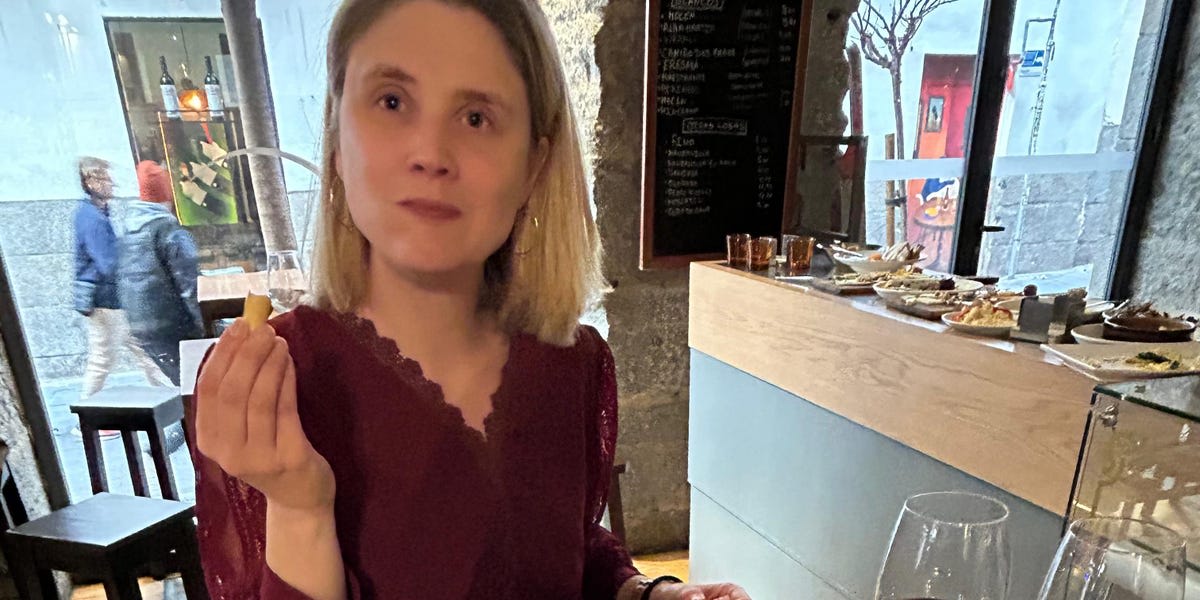
In Spain, food and drink are deeply social rituals rather than rushed fuel breaks. A small draft beer—known as a caña—is savored slowly alongside a small plate of olives, nuts, or a tapa while engaging in conversation. Portions are sensible by design, and because access to delicious food is continuous and unrestricted, there is no psychological urge to binge.
Cortisol, the Slower Pace, and Metabolic Health
Beyond walking and food composition, the defining catalyst for weight loss was a profound shift in daily pacing. The fast-paced, high-stress culture common in the Northeastern United States often keeps the nervous system locked in a chronic sympathetic state—commonly known as 'fight or flight.'
When you live under constant deadlines, long commutes, and relentless urgency, your adrenal glands produce elevated levels of cortisol. Chronic cortisol elevation is well-documented to encourage visceral fat storage, particularly around the midsection, while disrupting restorative sleep patterns and increasing cravings for high-fat, hyper-palatable snacks.
In Spain, life operates on a different frequency. Days are punctuated by afternoon breaks, extended lunch hours where people sit together rather than eating at their desks, and evenings spent strolling through public plazas. Shifting into a parasympathetic state ('rest and digest') allows hormonal equilibrium to return. When baseline stress declines, your body no longer feels compelled to hoard emergency fat stores, allowing the metabolism to function optimally.
Actionable Ways to Recreate the Spanish Lifestyle Anywhere
You do not need to pack your bags and move across the Atlantic to experience the metabolic and mental benefits of this lifestyle. By making conscious adjustments to your daily routine, you can foster a healthier balance within your current surroundings.
- Build NEAT Into Your Daily Routine: Look for opportunities to walk that do not feel like dedicated workouts. Park at the far end of the lot, walk short distances for minor errands, or pace while taking phone calls. Aim for consistent movement rather than isolated bursts of intense effort.
- Adopt the European Kitchen Principle: Audit your pantry for ultra-processed foods. Focus on purchasing fresh staples with minimal ingredient lists. Buy fresh bread from a local bakery when possible, and opt for whole, unadulterated foods over packaged diet products.
- Uncouple Food From Multitasking: Eliminate the habit of eating behind a steering wheel or while scrolling through your phone. Sit down, chew thoroughly, and allow your brain time to register fullness signals from your gut.
- Treat Rest as a Non-Negotiable: Dedicate time each evening to completely disengage from work demands. Prioritize quality sleep and unstructured social time with friends and family to help regulate systemic cortisol.
Key Takeaways
The journey from Connecticut to Spain demonstrates that health is not a punishment to be endured through strict deprivation. Instead, sustainable physical vitality emerges naturally when daily movement is woven into your environment, food is celebrated rather than feared, and chronic stress gives way to purposeful rest. True wellness is not about shrinking your life down to a calorie counter—it is about expanding your life to embrace natural, human-centered living.
Source Attribution: Article content originally reported by Rebecca Cretella. Read original story coverage on Rebecca Cretella →