The Weeknight Dinner Dilemma
It is 6:30 on a Tuesday evening. Between juggling work deadlines, soccer practice pickups, and school homework, the kitchen can quickly feel like a high-stress zone. In moments like these, pre-prepared meals look like a lifesaver. Pop a tray into the oven, microwave a ready-to-heat dish, and dinner is on the table in minutes. Yet, for an increasing number of parents, that convenience comes with an unsettling side of guilt and hesitation.
A growing body of behavioral research, including recent findings published in Frontiers in Public Health, explores this exact tension. While pre-prepared foods have surged in popularity thanks to modern time pressures, they have simultaneously triggered deep health and safety concerns among caregivers. Driven by an innate protective instinct, parents are increasingly re-evaluating these shortcuts and, in many cases, outright rejecting them.
The Convenience Trap: What Are Pre-Prepared Foods Really Costing Us?
Pre-prepared foods encompass a wide spectrum of supermarket staples: frozen entrees, marinated pre-cooked proteins, ready-to-heat pasta kits, and pre-packaged meal bowls. Their promise is simple: eliminate chopping, minimize cleanup, and cut cooking time down to virtually zero. In our fast-paced society, this time-saving appeal is undeniable.
However, the nutritional profile of industrial convenience foods rarely matches that of a home-cooked meal. To maintain long shelf lives and preserve texture during reheating, food manufacturers often rely on heavy doses of sodium, saturated fats, refined sugars, and chemical stabilizers. When consumed regularly, ultra-processed and heavily preserved foods have been linked to higher risks of childhood obesity, metabolic disruptions, and early cardiometabolic markers.
Beyond basic macro-nutritional concerns, parents are increasingly wary of hidden food safety risks. Issues like microbial contamination, chemical leaching from plastic packaging during microwave heating, and the presence of synthetic food additives have entered mainstream awareness. For parents striving to foster optimal development in their children, these variables present an uncomfortable risk profile.
The Psychology of Rejection: Protection Motivation Theory
Why do some parents lean heavily into ready-made meals while others firmly remove them from the family rotation? To understand this shift, behavioral scientists look to Protection Motivation Theory (PMT). Originally developed to understand how individuals respond to perceived health threats, PMT offers a compelling lens into parental grocery choices.
Under this theoretical framework, a parent's decision to accept or reject pre-prepared food comes down to a balance between two psychological cognitive pathways: threat appraisal and coping appraisal.
1. Threat Appraisal: Sizing Up the Danger
When parents evaluate convenience foods, they intuitively assess two factors: perceived severity and perceived vulnerability. Perceived severity asks: How harmful are the additives, sodium, and preservatives in this package to my child's long-term health? Meanwhile, perceived vulnerability asks: Is my child genuinely at risk if I serve this meal once or twice a week?
When headlines spotlight food recalls or scientific reports detail the long-term hazards of microplastics and ultra-processed diets, parental threat appraisal surges. What once looked like a benign shortcut is suddenly viewed as a tangible threat to a child's vitality.
2. Coping Appraisal: Believing in the Solution
Recognizing a threat is only half the battle. A parent must also feel equipped to handle it. This is where coping appraisal comes in, composed of response efficacy (believing that switching to whole, fresh foods will genuinely protect their child) and self-efficacy (believing they possess the culinary skills, budget, and time management to prepare fresh meals consistently).
When parents believe that home cooking provides an effective health shield, and when they feel confident in their ability to pull together quick whole-food dinners, their motivation to reject pre-prepared options skyrockets. Rejection stops being viewed as an inconvenient chore and becomes an active act of parental care and protection.
From Protection to Rejection: The Shifting Dinner Table
The transition from passive consumer to conscious gatekeeper is rarely immediate. It often begins with unease: a parent reading an unpronounceable ingredient label or wondering why a meal kit has an expiration date two years into the future. Over time, that subtle unease hardens into firm boundaries.
What the research underscores is that parental rejection of pre-prepared meals is not simply a passing culinary trend; it is a defensive health response. Parents are acting as nutritional filters, actively buffering their households against an industrialized food supply that frequently prioritizes shelf life and corporate margins over cellular health and balanced development.
Practical Ways to Bridge the Gap: Fast Food Without the Processing
Rejecting ultra-processed pre-prepared foods does not mean you must spend two hours over a hot stove every night. Parents can satisfy the instinct to protect their children without running themselves into total culinary burnout. Here are practical strategies for busy families:
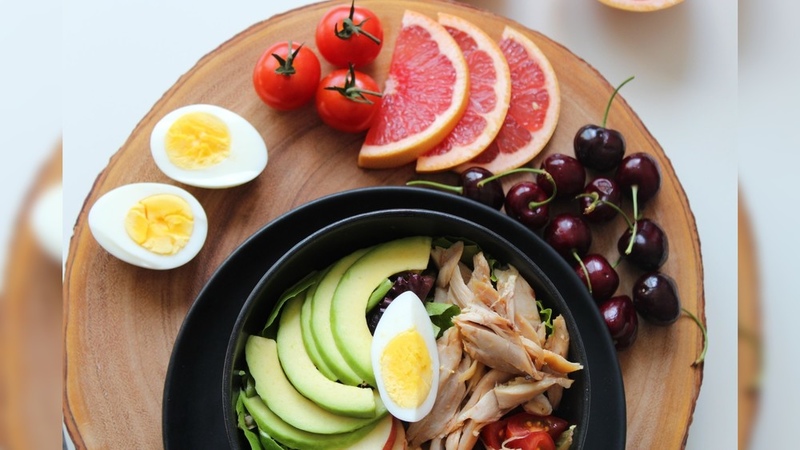
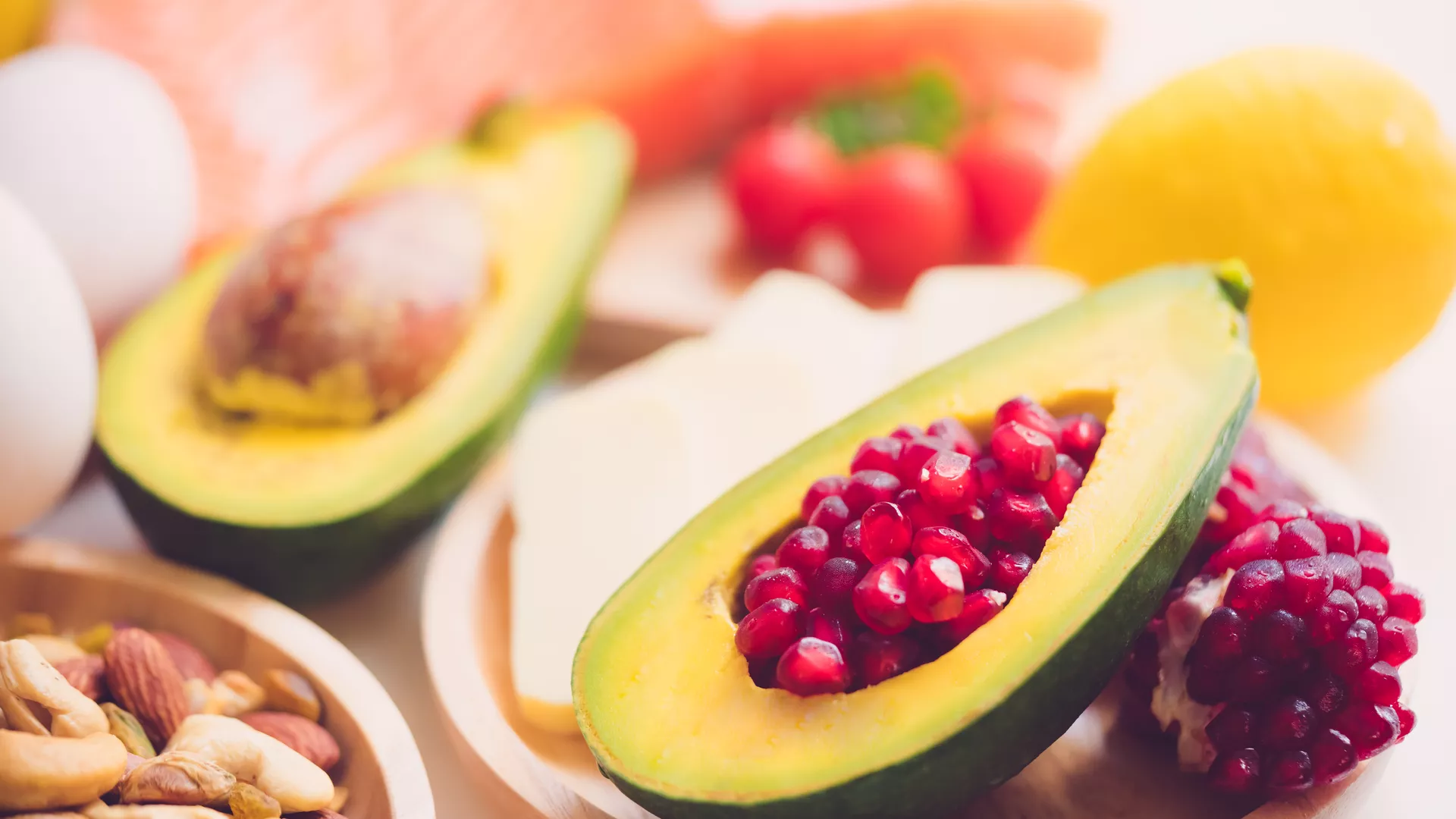
- Embrace Nature's Convenience Foods: Eggs, canned wild fish (like salmon or sardines in water), pre-washed organic greens, and canned low-sodium beans are naturally nutrient-dense and take mere minutes to assemble.
- Batch Prep Instead of Batch Cooking: Instead of spending entire Sundays cooking full casseroles, focus on component prep. Roast two trays of assorted vegetables and grill a batch of chicken breasts or tofu. Mix and match these components throughout the week with fresh dressings and whole grains.
- Rethink the Dinner Standard: A healthy dinner does not have to be an elaborate multi-course production. A plate of sliced raw cucumbers and bell peppers, whole-grain sourdough toast with avocado, and hard-boiled eggs provides exceptional nutrition with zero cooking time.
- Become a Label Detective: If you must buy ready-to-heat foods, scan the back panel rigorously. Seek out brands that feature minimal, recognizable kitchen ingredients, avoid artificial preservatives, and keep sodium levels within reasonable boundaries (under 400 mg per serving).
Key Takeaways for Parents
- The Motivation is Protective: Deciding to step away from convenience foods is a natural expression of Protection Motivation Theory, where perceived health risks outweigh immediate convenience.
- Nutritional Integrity Matters: Pre-prepared foods often harbor excessive sodium, low-quality industrial seed oils, and synthetic additives that can undermine growing bodies.
- Confidence Is Key: Enhancing your cooking self-efficacy through simple, 15-minute whole-food meals makes it much easier to sustain healthy family nutrition habits over time.
The Bottom Line
The kitchen table remains one of the most vital foundations for family wellness. While the modern food market will continue pushing convenience at every turn, parents are sending a clear counter-signal: true nourishment cannot be outsourced to a factory line. By understanding the psychological and nutritional forces at play, families can make conscious, empowered choices that protect their children's health today and set them up for a vibrant future.
Source Attribution: Article content originally reported by Yuan; Shaofeng; Wu; Weike; Ma; Yidan. Read original story coverage on Yuan; Shaofeng; Wu; Weike; Ma; Yidan →