For decades, conventional diet culture has hammered home a single, unforgiving doctrine: if you want to lose weight and optimize your health, you have to eat less. We have been taught to measure our discipline by the size of our deficit, viewing hunger as an unavoidable badge of honor. Yet, how many times have you watched that familiar script play out? You slash your calories, battle relentless cravings for a few weeks, watch the scale temporarily dip, and then hit an agonizing wall of fatigue, brain fog, and weight regain.
As senior fitness writer Harry Bullmore highlights in his weekly exploration of high-impact wellness habits, the most transformative health shifts rarely require agonizing struggle. In fact, they often offer benefits disproportionately larger than the effort involved. His latest recommendation turns traditional dieting completely on its head: sometimes, the most effective thing you can do for your waistline and vitality is actually to eat more.
The Metabolic Trap of Chronic Undereating
To understand why intentionally increasing your food intake can trigger weight loss, we must first look at what happens when you drastically cut back. The human body is a marvel of evolutionary survival. When you plunge your daily intake into a severe deficit, your biology does not register that you are preparing for beach season; it senses famine. In response, your metabolism orchestrates an intricate survival protocol known scientifically as adaptive thermogenesis.
During sustained caloric restriction, your thyroid hormones downshift, your core body temperature drops slightly, and your resting metabolic rate slows down to conserve every precious calorie. Concurrently, your subconscious levels of Non-Exercise Activity Thermogenesis (NEAT)—the spontaneous movements you make throughout the day, such as fidgeting, pacing, and gesturing—plummet without you even realizing it. You become lethargic and cold, and your body actively burns fewer calories simply keeping you alive.
At the same time, your hormonal profile shifts aggressively against you. Levels of leptin, the hormone responsible for signaling fullness and satisfaction to your brain, plummet. Meanwhile, ghrelin, the hunger hormone, surges dramatically. The result? An overwhelming biological drive to binge, accompanied by an agonizingly sluggish metabolic burn rate.
Understanding 'Volume Eating' and Satiety Signaling
When wellness practitioners advise eating more, they are not suggesting you double your intake of ultra-processed snacks or calorie-dense desserts. The real secret lies in shifting your nutritional strategy toward volume and nutrient density—a method often termed volume eating.
Your stomach does not have an internal calorie counter; it possesses stretch receptors (mechanoreceptors) embedded within the gastric walls. When your stomach fills with physical volume, these mechanoreceptors stretch and trigger the vagus nerve to send immediate signals to the hypothalamus, communicating that you are nourished and full. If you consume small, calorie-dense portions of processed food, you intake enormous energy without triggering these essential mechanical stretch cues, leaving your brain convinced that you are still starving.
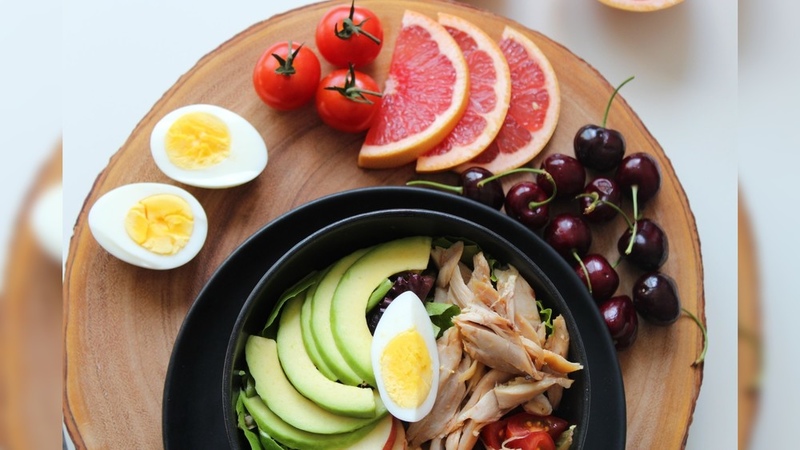
By intentionally piling your plate high with whole, water-rich, and fiber-loaded foods, you provide your digestive tract with substantial bulk. You feel deeply, genuinely satisfied while consuming fewer total calories than you would from a tiny, calorie-dense snack.
The Power of the Thermic Effect and Protein Leverage
Another crucial mechanism behind eating more revolves around macronutrient composition, specifically dietary protein. Have you ever noticed that you feel warmer or break into a slight sweat after finishing a hearty chicken breast or salmon fillet? That is the Thermic Effect of Food (TEF) in action.
All food requires energy to be broken down, absorbed, and utilized, but different macronutrients demand radically different metabolic investments:
- Fats: Demand only 0 to 3 percent of their caloric value to metabolize.
- Carbohydrates: Require approximately 5 to 10 percent of their energy to process.
- Proteins: Require a staggering 20 to 30 percent of their total caloric value just to be digested and synthesized.
When you actively eat more lean protein, nearly a third of those calories are expended simply fueling the digestive process. Furthermore, according to the Protein Leverage Hypothesis, our bodies instinctively drive appetite until our baseline amino acid requirements are met. By actively prioritizing protein in every meal, you switch off persistent snacking cues and simultaneously preserve lean muscle mass, which is the chief driver of your basal metabolic rate.
Escaping the Scarcity Mindset
Beyond the physiology of hormones and thermogenesis, the psychological impact of eating more cannot be overstated. Traditional calorie deprivation plants individuals firmly in a psychology of scarcity. When a food is labeled forbidden or your portions are strictly limited, your brain elevates the perceived value of food, leading to obsessive food thoughts and inevitable binge-restrict cycles.
In contrast, adopting an abundance mindset disarms the panic button in your brain. Knowing that you can eat massive, colorful bowls of roasted vegetables, leafy greens, succulent proteins, and satisfying complex carbohydrates completely rewires your relationship with food. It lowers chronic cortisol—a stress hormone directly linked to visceral belly fat retention—and stabilizes your mood, making healthy eating a sustainable lifestyle rather than a temporary punishment.
Practical Steps to Eat More and Weigh Less
Transitioning from a restrictive mindset to an abundance framework does not need to feel intimidating. Here are simple, powerful strategies to begin incorporating this habit right away:
- Add Before You Subtract: Instead of focusing on what you must eliminate, challenge yourself to add something nourishing to every meal. Add a massive handful of spinach to your eggs, toss roasted broccoli alongside your pasta, or top your Greek yogurt with fresh berries.
- Build Around Lean Protein: Aim for 25 to 40 grams of quality protein at every main meal. This protects your metabolism, elevates your daily thermic burn, and completely curbs post-meal energy slumps.
- Embrace High-Volume Fiber: Target 30 to 40 grams of dietary fiber daily from diverse sources such as lentils, chia seeds, cruciferous vegetables, and oats. Fiber expands in the stomach, slows digestion, and feeds the gut microbiome, which produces short-chain fatty acids that naturally suppress appetite.
- Stop Fear-Eating Small Portions: If you find yourself hungry two hours after a tiny meal, stop shrinking your plates. Eat a full, balanced, nutrient-packed meal that keeps you sustained for four to five solid hours.
Key Takeaways
The journey to lasting health and a lean, energized body does not require suffering, starvation, or endless self-denial. As fitness writer Harry Bullmore astutely observes, the most potent habits are often those that require minimal friction and deliver oversized dividends. By actively choosing to eat more of the right whole, fiber-rich, and protein-packed foods, you fuel your metabolic engine, calm your survival instincts, and finally establish a sustainable rhythm that serves your health for life.
Source Attribution: Article content originally reported by Harry Bullmore. Read original story coverage on Harry Bullmore →