The Modern Medicine Cabinet: When More Ceases to Be Better
Glance at the morning routine of almost any high-profile celebrity or wellness influencer today, and you are bound to see an intimidating array of tinted glass bottles, custom pill pouches, and specialized powders. From mega-dose longevity compounds and adaptogenic herbs to standard multivitamins and beauty gummies, the ritual of swallowing dozens of capsules daily has become a bizarre badge of health-conscious honor. When a global icon recently shared a glimpse into a daily routine dominated by a staggering collection of pills and specialized health supplements, it sparked widespread fascination—and immediate alarm among clinical experts.
It is easy to see how we arrived here. In an era where preventative health and personal optimization dominate the cultural conversation, taking supplements feels like proactive self-care. It represents an insurance policy against poor soil quality, hectic work schedules, and sub-optimal diets. However, there is a fundamental flaw in the prevailing mindset of modern wellness: the unexamined assumption that if a tiny microgram of a nutrient supports cellular function, a massive daily handful must make you invincible.
The Illusion of the Harmless Flushed Nutrient
One of the most persistent myths in personal wellness is the belief that excessive supplementation simply produces expensive urine. Many people genuinely assume that the human body acts like a discerning gatekeeper, absorbing precisely what it requires and harmlessly expelling whatever remains. While that principle holds partially true for certain water-soluble compounds, it drastically oversimplifies human biochemistry.
First, even water-soluble vitamins can provoke acute toxicity and long-term dysfunction when consumed in massive quantities. Take vitamin B6, for example. While vital for neurotransmitter synthesis and energy metabolism, chronic overconsumption through energy drinks, fortified foods, and specialized capsules can lead to severe peripheral neuropathy—causing numbness, tingling, and nerve damage in the extremities. Similarly, excessive doses of vitamin C cannot simply be dismissed; beyond digestive distress and osmotic diarrhea, mega-dosing can significantly elevate the risk of calcium oxalate kidney stones in susceptible individuals.
The Bioaccumulation Trap: Fat-Soluble Vitamins
The danger multiplies dramatically when we examine fat-soluble vitamins: vitamins A, D, E, and K. Unlike their water-soluble counterparts, these compounds are not easily excreted when consumed in excess. Instead, your body stores them in liver tissue and fatty deposits, creating a persistent risk of bioaccumulation over weeks and months.
Consider vitamin A. While critical for vision and immune integrity, chronic toxicity (hypervitaminosis A) can induce intracranial pressure, liver damage, brittle bones, hair loss, and severe birth defects if taken during pregnancy. Vitamin D, heavily promoted in recent years for immune resilience, presents similar hazards when taken without clinical oversight. Hypervitaminosis D leads to hypercalcemia—an abnormal buildup of calcium in the bloodstream that causes nausea, muscle weakness, kidney stones, and potentially life-threatening calcification of soft tissues and blood vessels.
The Sneaky Peril of "Nutrient Stacking"
Most individuals who end up in the danger zone of hyper-supplementation do not set out to take dangerous doses. Instead, they fall victim to a phenomenon known as accidental nutrient stacking. This occurs when an individual layers multiple products without calculating the cumulative intake across their entire daily routine.
Consider a routine day for an eager wellness enthusiast: they take a comprehensive daily multivitamin in the morning, followed by an immune-support chewable at lunch, a scoop of fortified greens powder before a workout, an energy-boosting beverage in the afternoon, and a hair-and-nails gummy before bed. Unbeknownst to them, every single one of those products likely contains zinc, vitamin A, and niacin.
Within twenty-four hours, that individual may consume four to five times the established Tolerable Upper Intake Level (UL) of several trace minerals. In the case of zinc, chronic overexposure actively depletes copper stores in the body, which can paradoxically trigger anemia, compromised immunity, and neurological impairment.
Organ Strain: How the Liver and Kidneys Bear the Brunt
Every single compound that enters your gastrointestinal tract must eventually be processed, metabolized, and cleared by your organs. The liver and kidneys work tirelessly to filter metabolic byproducts, and flooding them with an unrelenting stream of isolated chemical compounds, synthetic binders, and herbal extracts places substantial strain on these vital systems.
Hepatologists have noted a sharp increase in herb- and dietary supplement-induced liver injury (HILI) over the past two decades. Concentrated green tea extracts, exotic root botanicals, and high-dose synthetic formulations can trigger hepatotoxicity that ranges from mild enzyme elevation to acute, life-threatening organ failure. When individuals combine pharmaceuticals with a massive battery of over-the-counter supplements, the risk of adverse drug-nutrient interactions escalates exponentially, often altering how life-saving medications are absorbed or metabolized.
Are You Over-Supplementing? Subtle Warning Signs
Because supplement toxicity often develops slowly, its warning signs are frequently misattributed to everyday stress or fatigue. If your medicine cabinet is overflowing and you experience any of the following symptoms, it may be time to re-evaluate your regimen:
- Persistent Digestive Distress: Frequent nausea, unexplained abdominal cramping, metallic tastes in the mouth, or chronic diarrhea.
- Neurological Sensations: Unexplained pins-and-needles sensations in the hands and feet, muscle twitching, or frequent headaches.
- Unusual Fatigue or Brain Fog: Feeling unexpectedly exhausted despite supplementing heavily for vitality—a common paradoxical sign of mineral imbalances or liver strain.
- Dermatological Changes: Sudden hair shedding, dry or peeling skin, brittle nails, or unexplained skin flushing.
Actionable Steps: How to Audit Your Supplement Routine
Reclaiming control over your daily health regimen does not mean abandoning supplementation altogether. Rather, it requires shifting from an indiscriminate shotgun approach to a precise, intentional strategy.
1. Get Comprehensive Lab Work First
Never supplement blindly. Before adding isolated nutrients to your daily routine, request a comprehensive metabolic panel, complete blood count, and targeted tests for vitamin D, ferritin, and B12 from your primary healthcare provider. Supplement only to correct proven physiological deficiencies, not hypothetical ones.
2. Conduct a Thorough Ingredient Audit
Lay out every single supplement, fortified protein powder, and functional beverage you consume. Create a quick spreadsheet or checklist to calculate the total daily milligrams or international units you are consuming of each ingredient. Compare these numbers against the established Recommended Dietary Allowances (RDA) and Tolerable Upper Intake Levels (UL).
3. Prioritize Whole-Food Synergy
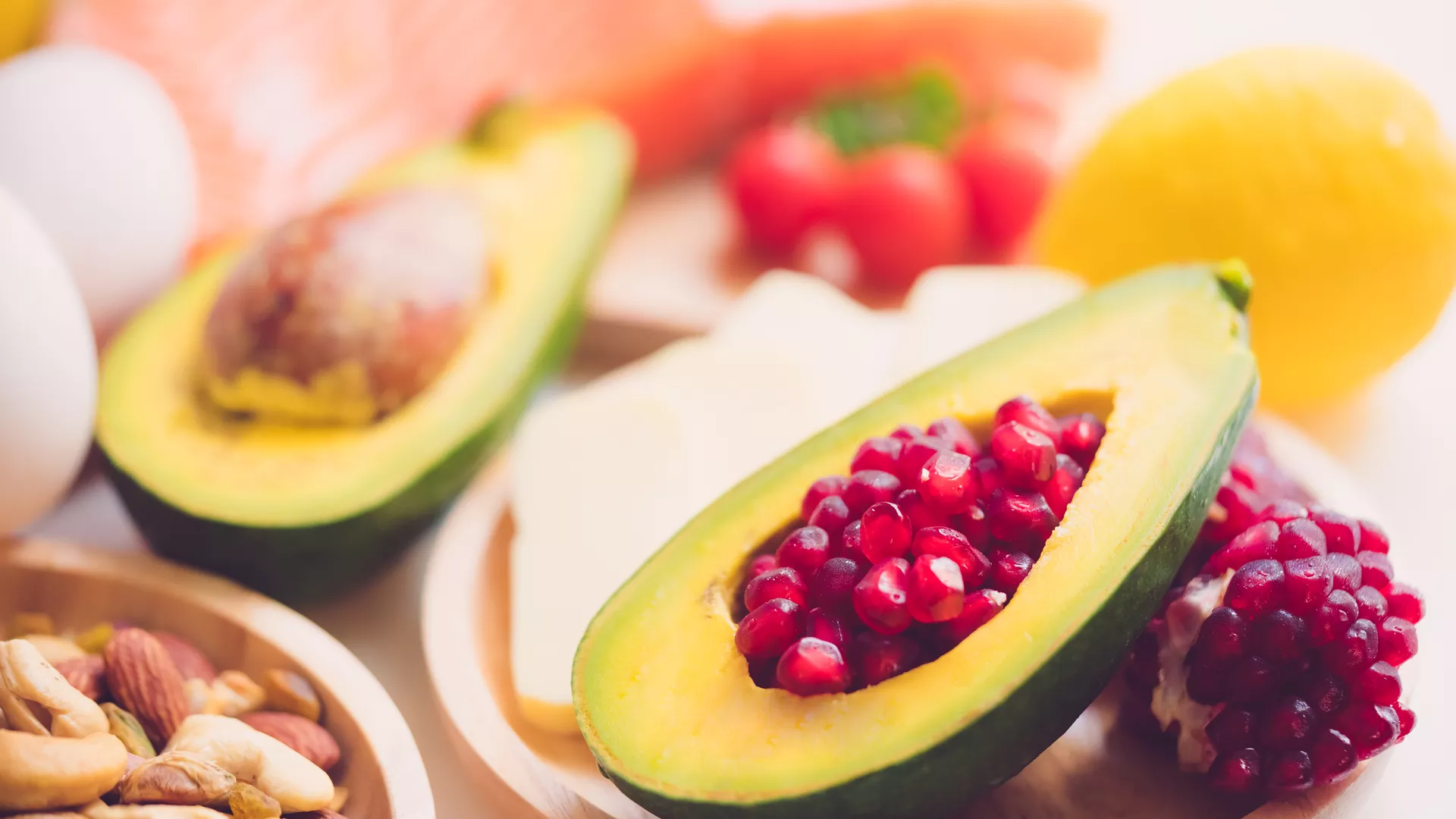
Nutrients in whole foods do not exist in isolation. When you eat an orange, you consume vitamin C alongside bioflavonoids, dietary fiber, potassium, and water—a natural matrix that optimizes absorption and prevents toxicity. Whenever possible, derive your vitamins and minerals from a diverse, nutrient-dense diet rather than synthetic pills.
4. Treat Supplements with the Same Respect as Pharmaceuticals
Always disclose every single supplement, herb, and wellness powder to your physician and pharmacist. Supplements contain active biochemical compounds that can blunt or amplify the effects of prescription medications, including blood thinners, thyroid drugs, and antidepressants.
Key Takeaways for Sustainable Wellness
The impulse to protect your health with daily supplements is understandable, but more is definitely not always better. The human body thrives on delicate balance, dynamic homeostasis, and whole-food nourishment—not a crushing load of concentrated chemical compounds. By approaching your medicine cabinet with skepticism, relying on real data, and prioritizing clinical guidance over celebrity trends, you can protect your organs and cultivate vibrant, lasting vitality.
Source Attribution: Article content originally reported by Smita Kunvarji. Read original story coverage on Smita Kunvarji →