There is an undeniable magic to the arrival of autumn. As the air turns brisk and the leaves shift to brilliant shades of amber, our culinary cravings inevitably follow suit. Suddenly, we find ourselves yearning for rich, spiced aromas, piping hot mugs cupped between our hands, and the comforting sweetness that defines the season. From local coffee shop chalkboard menus boasting pumpkin spice creations to county fair stalls lined with glistening toffee apples, seasonal indulgences are everywhere.
Yet, for anyone striving to maintain balanced nutrition, this sudden influx of high-sugar, calorie-dense foods can feel like a dietary minefield. Standard commercial autumn favorites are often loaded with refined syrups, trans fats, and hundreds of empty calories that leave us feeling sluggish rather than energized. The good news? You do not have to banish your favorite seasonal rituals to stay on track. By understanding a few fundamental nutritional swaps, you can capture every ounce of nostalgic autumn flavor while nourishing your body.
The Biology Behind Autumn Cravings
Have you ever wondered why your desire for warm, sweet foods spikes dramatically as soon as October arrives? It is not merely clever marketing; there is a tangible physiological mechanism at play. As daylight hours dwindle, our bodies naturally produce less serotonin, a neurotransmitter heavily involved in mood regulation and appetite. Carbohydrates trigger insulin release, which in turn facilitates the uptake of tryptophan into the brain to synthesize serotonin. In short, your body instinctively seeks comfort through warmth and sweetness.
Furthermore, cooler outdoor temperatures stimulate our primitive desire for calorically dense sustenance. While our ancestors relied on this mechanism to store energy for the coming winter, modern food environments supply an endless bounty of ultra-processed sugars. Recognizing this biological impulse allows us to approach autumn cravings with curiosity and intention rather than guilt. The secret lies in satisfying the craving using whole-food ingredients and smart substitutions that honor your health goals.
Reinventing the Icon: The Lightened-Up Pumpkin Spice Latte
Perhaps no beverage defines the autumn aesthetic quite like the Pumpkin Spice Latte. However, a standard large coffee shop PSL can easily pack upwards of 390 calories, 14 grams of fat, and a staggering 50 grams of sugar—the equivalent of more than twelve teaspoons of refined sugar. Most commercial versions rely on sweetened condensed milk bases and artificial syrups containing little to no actual pumpkin.
Fortunately, recreating this café staple at home with real ingredients cuts the calories by more than half while drastically elevating the nutritional value. Real pumpkin purée is a powerhouse of nutrition, rich in dietary fiber, vitamin A, and immune-supporting beta-carotene.
How to Make a Nutritionist-Approved Pumpkin Spice Latte
- The Base: Start with a shot of rich espresso or a half cup of strongly brewed dark roast coffee.
- The Milk: Opt for unsweetened almond, cashew, or light oat milk. Unsweetened nut milks average between 30 and 40 calories per cup compared to 150 calories in whole milk.
- The Real Flavor: Whisk in two tablespoons of 100% pure canned pumpkin purée (not pumpkin pie mix).
- The Spice Matrix: Generously add ground cinnamon, nutmeg, ginger, and a pinch of ground cloves. Cinnamon is particularly beneficial, as clinical studies suggest it helps improve insulin sensitivity and stabilize post-meal blood sugar levels.
- The Sweetener: Skip the artificial syrups and use a single teaspoon of pure maple syrup or a few drops of natural monk fruit extract to taste.
Froth your warmed milk with the pumpkin and spices, pour over your coffee, and finish with a dusting of extra cinnamon. You will enjoy an authentic, velvety drink with around 70 to 90 calories and virtually zero refined sugar.
A Fresh Spin on the Classic Toffee Apple
Toffee apples—or candy apples—are synonymous with autumn festivals, Halloween celebrations, and bonfire nights. Unfortunately, the traditional shell consists almost entirely of boiled white sugar, corn syrup, red food dyes, and sometimes heavy cornstarch. This forms a hard sugar coating that spikes blood glucose rapidly without offering any protein or healthy fat to buffer the absorption.
You do not need to give up the satisfying crunch of fresh orchard fruit to enjoy this seasonal hallmark. By shifting the focus to nutrient-dense dips and whole-food caramel alternatives, you can transform this fairground treat into a wholesome, blood-sugar-friendly snack.
The Date-Caramel Apple Dip
Medjool dates are nature’s answer to caramel. When soaked in warm water and blended with a splash of warm almond milk, a pinch of sea salt, and pure vanilla extract, they yield a silky, decadent sauce that mirrors the taste and texture of buttery toffee. Unlike refined white sugar, Medjool dates retain their natural fiber, potassium, magnesium, and copper.
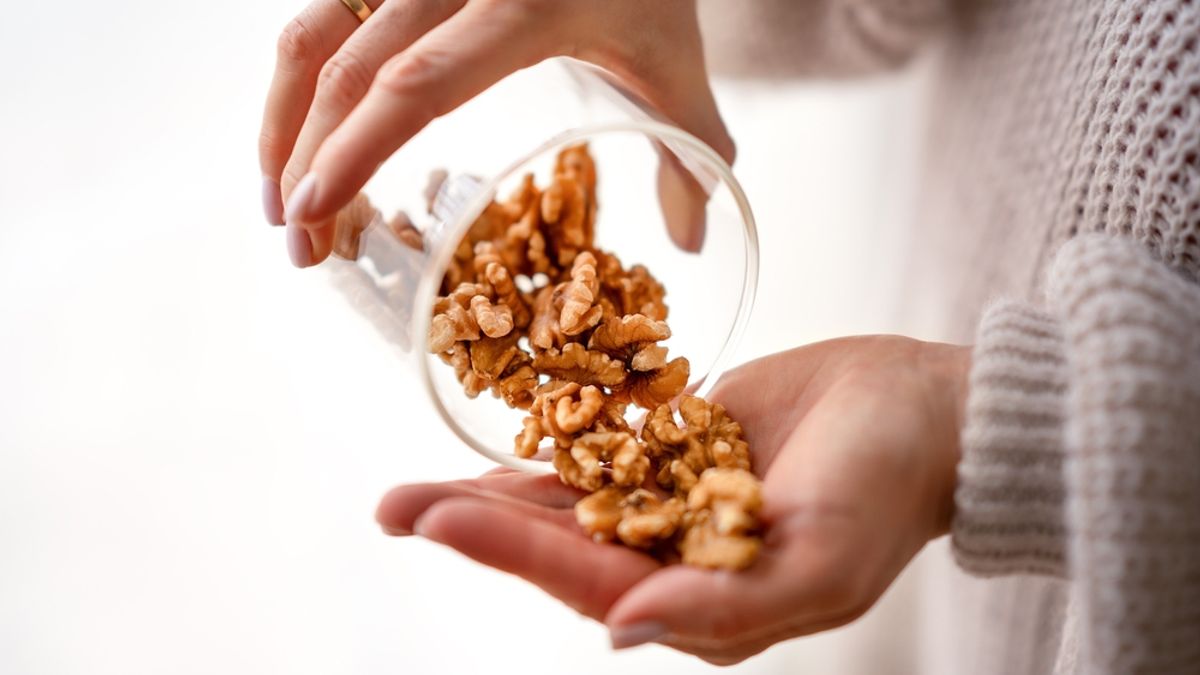
Instead of coating an entire apple in a rock-hard glaze, slice crisp Honeycrisp or Granny Smith apples into wedges. Arrange them on a platter with your warm date-caramel sauce, a light drizzle of melted 85% dark chocolate, and a sprinkle of chopped toasted walnuts. The healthy fats from the nuts paired with the apple's soluble pectin fiber slow digestion, keeping you satisfied for hours.
More Smart Swaps for Autumn Sweet Cravings
Expanding your repertoire beyond lattes and apples ensures you never feel deprived as the holiday season approaches. Consider these low-calorie, nutrient-forward swaps for other popular autumn desserts:
- Instead of Pecan Pie: Traditional pecan pie is notorious for its butter-heavy crust and high-fructose corn syrup filling. Swap it for oven-roasted butternut squash or sweet potato cubes tossed in coconut oil, cinnamon, and a handful of crushed pecans, roasted until caramelized.
- Instead of Commercial Hot Cocoa: Replace powdered hot chocolate mixes—which are primarily sugar and hydrogenated oils—with warm unsweetened plant milk whisked with unsweetened raw cacao powder, a drop of vanilla extract, and a touch of stevia or raw honey. Cacao provides a high concentration of heart-healthy flavonoids.
- Instead of Apple Crumble: Make baked stuffed apples. Core a whole apple, leaving the bottom intact, and fill the cavity with rolled oats, ground cinnamon, chopped almonds, and a touch of unsweetened applesauce. Bake at 375°F (190°C) until tender for an effortless, portion-controlled dessert packed with prebiotic fiber.
Key Strategies for Mindful Autumn Eating
Enjoying seasonal treats without sabotaging your wellness goals is ultimately about intentionality rather than restriction. Keep these foundational habits in mind throughout the season:
- Lead with Spices: Lean heavily on warming spices such as cardamom, allspice, ginger, and nutmeg. They trick the palate into perceiving sweetness through aroma, allowing you to cut back on added sugars naturally.
- Check Your Coffee Orders: When ordering out, ask baristas for half the standard syrup pumps, request unsweetened dairy alternatives, and skip the processed whipped topping.
- Pair Sweets with Protein: If you are enjoying a traditional seasonal sweet, consume it shortly after a protein- and fiber-rich meal rather than on an empty stomach to blunt drastic blood sugar fluctuations.
Embracing the Season with Balance
Wellness is a long-term journey built on sustainable, joyful habits, not extreme seasonal deprivation. Denying yourself the comforting flavors of autumn often leads to feelings of restriction that ultimately trigger overindulgence down the road. By incorporating thoughtful, whole-food swaps like homemade spiced lattes and fiber-rich caramel apples, you can celebrate the beauty of the season while keeping your energy steady, your immune system supported, and your health goals firmly within reach.
Source Attribution: Article content originally reported by Nicholas Dawson. Read original story coverage on Nicholas Dawson →