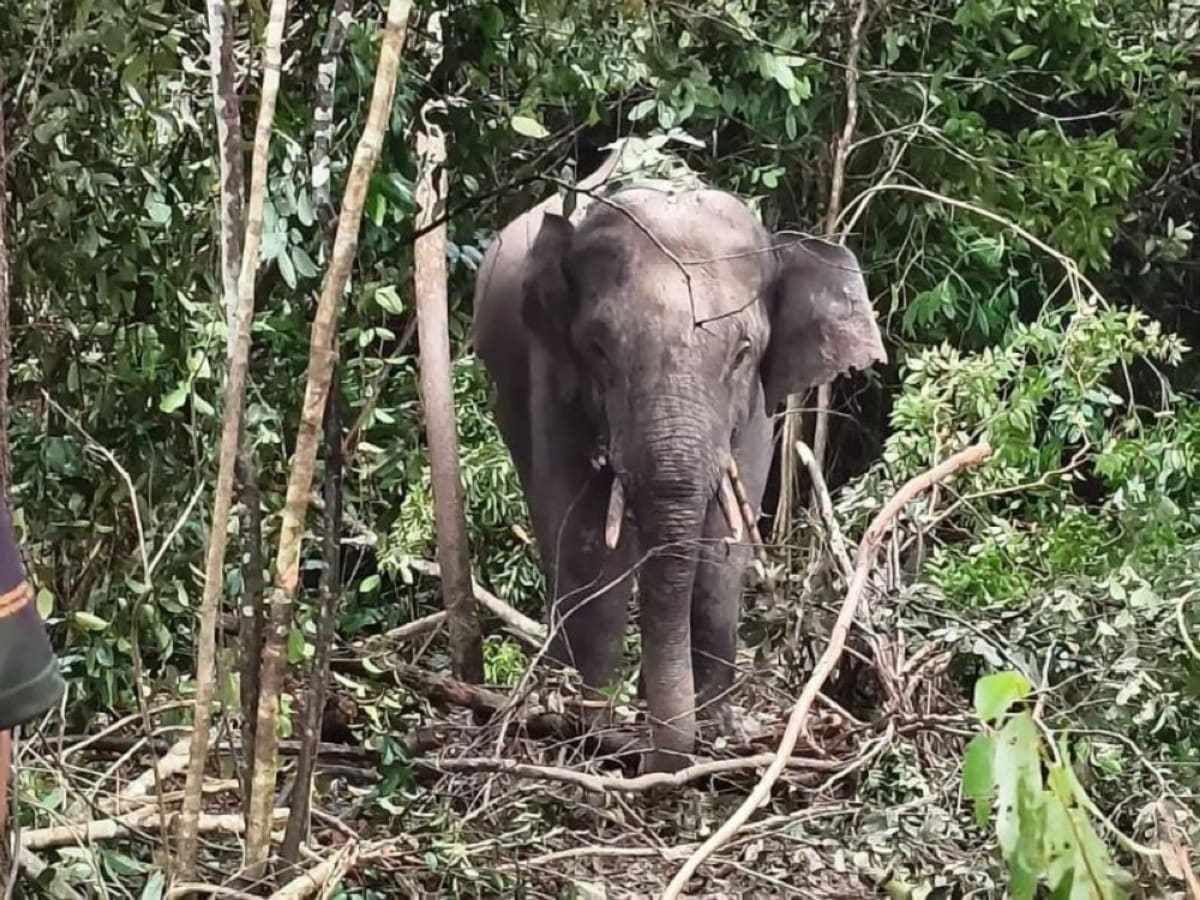
Imagine waking up in the quiet morning mist of a rural village, stepping onto your porch with a fresh cup of coffee, and finding footprint depressions the size of dinner plates pressed deep into the damp earth. For the residents of Kampung Kolam in Ajil, near Kuala Berang, this dramatic scenario recently became an unmistakable reality. A wild male Asian elephant made an unexpected journey through local plantations and village outskirts, prompting swift intervention by wildlife authorities.
The Terengganu Department of Wildlife and National Parks (Perhilitan) successfully tracked and captured the wandering pachyderm, temporarily placing him on a wholesome, energy-rich diet dominated by sweet bananas while preparations are made for his safe transfer back into a secure jungle sanctuary. Beyond the headline-grabbing spectacle of a massive jungle giant snacking peacefully in custody, this event offers a compelling window into elephant psychology, capture-and-care protocols, and the delicate equilibrium required when wildlife habitats intersect with human settlements.
The Kuala Berang Rescue: What Really Happened at Kampung Kolam
In mid-September, villagers in Kampung Kolam raised the alarm after spotting a lone male elephant navigating remarkably close to residential properties and cultivated plots. Recognizing the potential risks to both the public and the wandering animal, wildlife officers from Terengganu Perhilitan mobilized an experienced capture team.
Capturing a wild bull elephant is a high-stakes, deeply technical operation requiring immense patience, field expertise, and deep respect for the creature's welfare. Working methodically through the dense brush, rangers tracked the animal, monitored his physiological state, and executed a safe capture without causing physical harm to the elephant or local bystanders. Once secured, the priority immediately shifted from containment to stabilizing the animal's physical and psychological well-being.
The Banana Diet: Why Nutrition Matters After Capture
Following the capture, Perhilitan rangers introduced the elephant to a steady diet of fresh bananas and carefully managed greenery. While it may sound like an indulgent treat, this post-rescue menu is actually a scientifically grounded care strategy designed to support several critical biological needs:
- Stress Reduction and Hydration: Being captured, even under gentle chemical immobilization or soft restraints, is deeply disorienting for a wild mammal. High-water-content fruits like bananas provide immediate cellular hydration alongside easily digestible natural sugars.
- Preventing Hypoglycemia and Shock: During hours of tracking and apprehension, an elephant's adrenaline and cortisol levels spike, exhausting glycogen stores. Readily available simple carbohydrates rapidly restore blood glucose levels, preventing metabolic collapse.
- Building Temporary Trust: Offering preferred treats allows wildlife handlers and veterinarians to evaluate an elephant's appetite, chew cycle, oral health, and temperament up close without invasive measures.
- Subtle Medicine Administration: Should the elephant require anti-inflammatories, electrolytes, or preventative deworming agents before long-distance relocation, soft fruits like bananas serve as the ideal vehicle to conceal medications seamlessly.
The Wandering Bull: Why Do Elephants Roam into Villages?
To truly understand why an elephant ends up browsing through orchards in Ajil, we must look at elephant ecology and herd dynamics. In Asian elephant populations, family units are matriarchal, consisting of mothers, sisters, aunts, and calves led by an experienced matriarch. Young males, however, leave the herd as they reach sexual maturity.
These independent bulls often form small, temporary bachelor groups or travel completely alone. Solitary bulls are naturally curious, bold, and driven by vast seasonal foraging ranges. When expansive ancestral migration routes become fragmented by highways, agricultural plantations, or rural housing, elephants do not simply forget their instincts. They follow traditional pathways or are lured into settlement edges by the irresistible scent of calorie-dense crops like oil palm shoots, jackfruit, bananas, and sugar cane.
The Ecological Reality of Fragmented Habitats
Peninsular Malaysia boasts some of the world's oldest and most biologically diverse tropical rainforests. However, rapid development over the past few decades has created a mosaic of forest islands surrounded by human infrastructure. When wild animals run out of contiguous canopy, wandering along forest fringes becomes almost inevitable.
Forest department teams, researchers, and local communities are continuously adapting to these realities, developing wildlife corridors and early-warning systems to mitigate dangerous encounters before they escalate.
The Intricate Process of Elephant Relocation
Capturing the elephant and soothing him with a banana feast is merely the first chapter of a multi-stage conservation effort. Relocating a multi-ton wild animal requires an orchestration of logistics and veterinary medicine:
- Comprehensive Health Screening: Field veterinarians examine the elephant's body condition score, vital signs, tusks, feet, and baseline blood work to ensure he is robust enough to endure a long haul.
- Calming and Transport Logistics: Relocations often employ the assistance of trained captive elephants (known affectionately as 'dena' or ambassador elephants) to soothe, guide, and walk the wild bull safely into specially reinforced transport trucks.
- Selecting the Destination: Perhilitan meticulously identifies suitable deep-jungle reserves—such as vast, contiguous protected areas like Taman Negara or royal state parks—where abundant natural forage, clean water systems, and minimal human activity will allow the male to thrive permanently.
Key Takeaways: How Communities Can Support Wildlife Conservation
The successful intervention in Kampung Kolam highlights that peaceful resolutions are entirely achievable when communities and conservationists cooperate. Here are practical ways we can all support healthy coexistence with our native wildlife:
- Never Attempt to Confront Wild Animals: If you spot large wildlife near agricultural borders or residential zones, maintain a substantial distance. Never honk car horns, flash high beams, or throw firecrackers, as fear can turn a cautious animal into an aggressive defender.
- Report Immediately to Local Authorities: Swift reporting gives agencies like Perhilitan the runway they need to deploy non-lethal, humane tracking and capture solutions early.
- Support Forest Corridor Preservation: Protecting biological corridors—strips of untouched jungle linking fragmented forest reserves—remains the gold standard for keeping wide-ranging species like elephants, tapirs, and tigers away from human settlements.
- Practice Conscious Farming Fringes: Farmers operating near forest edges are increasingly turning to non-palatable buffer crops, bee-fence deterrents, or solar-powered low-voltage fencing that harmlessly discourage gentle giants from grazing on livelihoods.
A Calmer Future for a Majestic Wanderer
As the male elephant from Kuala Berang finishes his wholesome banana regimen under the watchful eyes of dedicated Malaysian wildlife rangers, his story serves as a reminder of nature's resilience and vulnerability. With mindful planning, scientific care, and sustained conservation funding, our modern landscapes can continue to honor both the safety of local communities and the majestic presence of our planet's greatest terrestrial wanderers.
Source Attribution: Article content originally reported by Malay Mail. Read original story coverage on Malay Mail →