If you have ever felt like your body is actively working against your weight loss efforts, you are far from alone. For millions navigating complex hormonal conditions, traditional diet advice—the familiar refrain to simply eat less and move more—frequently falls flat. When internal endocrine signaling is disrupted, stubborn weight gain is often cited as one of the most mentally exhausting and physically stubborn symptoms to manage.
That lived reality is precisely why Senior Social News Reporter Zahna Eklund resonated with so many readers after opening up about their personal health journey. Battling the metabolic hurdles of PMOS, Zahna successfully shed 21kg (over 46 pounds) after making one decisive, strategic dietary elimination—a change they now say they will never look back on. But what makes this kind of targeted nutritional pivot so remarkably effective, and what can anyone struggling with hormone-related weight challenges learn from it?
The Uphill Battle of Hormonal Weight Gain
Hormone-driven weight gain is rarely a straightforward matter of caloric balance. In conditions characterized by metabolic and ovarian dysfunction, such as PMOS and PCOS, the body’s endocrine messaging system is disrupted. Cellular pathways that normally regulate energy storage, appetite, and fat breakdown become desensitized, leaving individuals caught in a cycle of persistent fatigue, sudden cravings, and progressive weight gain.
At the center of this challenge lies insulin resistance. When cells stop responding effectively to insulin, the pancreas compensates by pumping out higher amounts of the hormone. Elevated insulin acts as a biochemical lock on fat stores, prompting the body to convert incoming energy into visceral fat while simultaneously signaling to the brain that it is still starved of fuel. Conventional restrictive dieting often backfires under these conditions, triggering severe metabolic adaptation, heightened cortisol levels, and even more intense cravings.
The Pivot: Why Eliminating One Key Food Group Makes the Difference
Zahna Eklund’s milestone achievement did not come from an unsustainable, grueling starvation regime. Instead, it was sparked by identifying and eliminating a single major nutritional trigger that was aggravating underlying hormonal inflammation: refined carbohydrates and concentrated sugars.
For bodies contending with insulin resistance, high-glycemic foods—such as refined white flour, sugary snacks, sweetened beverages, and ultra-processed convenience items—act like fuel thrown onto a metabolic fire. They cause rapid, severe spikes in blood glucose, demanding massive surges of insulin that exacerbate hormonal imbalance and drive fat storage around the midsection.
By systematically cutting this primary instigator out of their diet, Zahna eliminated the volatile glycemic peaks and valleys that dictate daytime hunger. Without constant insulin surges, the body was finally able to access stored fat for energy, lowering systemic inflammation and creating the foundation for a sustainable 21kg weight reduction.
The Science: What Happens When You Break the Glucose-Insulin Loop
Understanding the physiological cascade of eliminating high-glycemic processed foods helps explain why this single change delivers such profound results for endocrine health:
- Restoration of Satiety Hormones: Chronic high insulin suppresses leptin, the hormone responsible for telling your brain you are full. Stabilizing glucose levels allows natural leptin signaling to resume, significantly reducing obsessive food chatter and binge triggers.
- Reduction in Androgen Levels: Excess circulating insulin directly stimulates the ovaries and adrenal glands to produce excess male sex hormones (androgens), which worsen symptoms like hair thinning, acne, and abdominal weight gain. Taming insulin helps restore balance across reproductive hormones.
- Alleviation of Systemic Inflammation: Refined sugars feed pro-inflammatory gut bacteria and damage cellular membranes. Removing them dampens chronic low-grade inflammation, freeing up metabolic pathways and lifting persistent brain fog.
- Protection of Resting Metabolic Rate: Unlike severe calorie-deprivation diets that slow the metabolism down, removing refined carbs while continuing to nourish the body with adequate protein and healthy fats protects lean muscle tissue.
Actionable Strategies: How to Implement a Hormone-Supportive Reset
If you are looking to replicate the benefits of a targeted dietary shift without feeling overwhelmed, a thoughtful, step-by-step approach yields the best long-term success:
1. Swap Rather Than Starve
Avoid the temptation to cut carbohydrates entirely to zero, which can trigger stress responses in the adrenal glands. Instead, swap refined and processed varieties for complex, fiber-dense alternatives such as sweet potatoes, quinoa, berries, lentils, and leafy greens. Fiber slows glucose absorption, providing steady, sustained energy.
2. Build Balanced Plates Around Protein
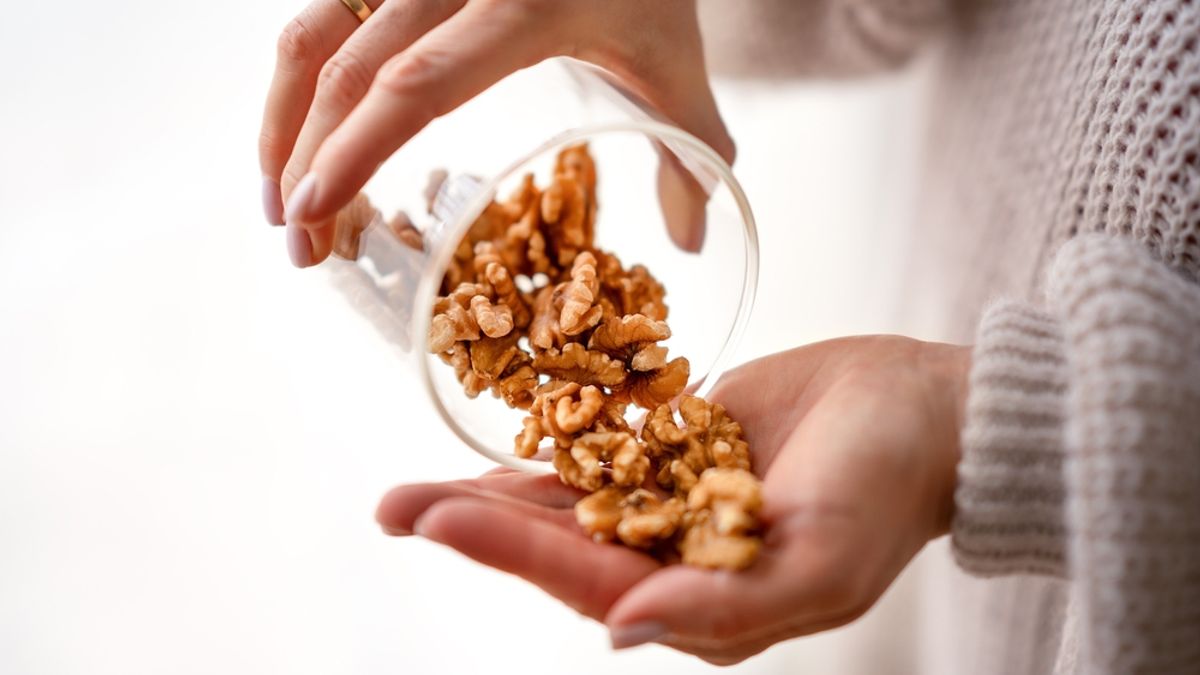
Every meal should feature a dedicated source of clean protein—such as eggs, poultry, wild fish, tofu, or Greek yogurt—paired with healthy fats like avocado, olive oil, and raw nuts. This pairing anchors your blood sugar curve and keeps you satisfied for hours.
3. Learn to Read Hidden Labels
Refined sugars lurk under dozens of names in seemingly healthy foods, from salad dressings and pasta sauces to flavored plant milks and breakfast bars. Check nutritional labels closely and aim for whole, single-ingredient foods wherever possible.
4. Track Non-Scale Victories
While Zahna Eklund celebrated a notable 21kg weight loss milestone, the most powerful signs of healing often happen before the scale moves. Pay attention to steadier daytime energy, better sleep, clearer skin, and the quiet absence of intense afternoon sugar cravings.
Key Takeaways
- Hormones dictate weight regulation: Difficulties shedding weight alongside conditions like PMOS are grounded in biological mechanisms like insulin resistance, not a lack of willpower.
- One targeted change can create momentum: Eliminating refined, high-glycemic sugars stops the destructive insulin spikes that lock fat stores.
- Sustainability is essential: The most effective health intervention is one you can maintain long term without feelings of deprivation—leading to lasting changes you will never look back on.
Transforming your health while managing a chronic hormonal condition requires patience, self-compassion, and personalized strategies. By addressing the root metabolic drivers rather than fighting against your body, sustainable weight loss and vibrant daily energy are entirely achievable.
Source Attribution: Article content originally reported by Zahna Eklund. Read original story coverage on Zahna Eklund →