Have you ever spent an entire weekend sleeping, only to wake up on Monday morning feeling just as drained as when you collapsed onto your mattress? Or perhaps you have noticed stubborn dark circles under your eyes that no amount of concealer, cold compresses, or expensive eye creams seem to fade. While it is easy to blame modern hustle culture, chronic stress, or poor sleep hygiene, your body might actually be trying to communicate something far more elemental.
As recently highlighted by The New York Times, iron deficiency remains the number one nutritional deficiency globally. Despite modern agricultural advances and a booming wellness industry, billions of people around the world are navigating their days on an empty biological fuel tank. Understanding why this essential mineral is so easily depleted—and learning how to spot the subtle warning signs—can be the catalyst that transforms your daily vitality.
The Invisible Engine: Why Iron Is Non-Negotiable
To understand why a lack of iron leaves you feeling completely wiped out, it helps to look at what this workhorse mineral actually does inside your body. Iron is the foundational building block of hemoglobin, an essential protein found in red blood cells whose sole job is to transport oxygen from your lungs to every single cell, tissue, and vital organ.
When your iron levels dip, your red blood cells become smaller and fewer in number, severely compromising their oxygen-carrying capacity. Without adequate oxygen delivery, your mitochondria—the microscopic power plants inside your cells—cannot produce adenosine triphosphate (ATP), the primary currency of cellular energy. In short, your body is essentially forced to run on battery-saver mode 24 hours a day.
The Tell-Tale Signs: What Does Iron Deficiency Really Look Like?
Many people assume that iron deficiency always manifests as severe, fainting-level weakness. In reality, the onset is usually insidious, masquerading as routine lifestyle burnout before snowballing into deeper clinical complications.
1. Relentless Fatigue and Brain Fog
Unlike ordinary tiredness that dissipates after a restorative night of rest, iron-related fatigue feels heavy and persistent. You may notice an afternoon cognitive slump that caffeine cannot touch, difficulty concentrating on complex tasks, or a persistent sensation of mental fuzziness.
2. Dark Under-Eye Circles and Uncharacteristic Pallor
While genetics and skin thickness play a role in dark circles, iron deficiency can accentuate them dramatically. Hemoglobin provides blood with its rich red color; when levels drop, the blood flowing through delicate capillaries beneath your eyes becomes deoxygenated and darker, causing hollow, bluish shadows to appear. Similarly, your skin, inner lower eyelids, gums, and nail beds may lose their natural rosy hue.
3. Shortness of Breath and Rapid Heartbeat
If walking up a familiar flight of stairs suddenly leaves you gasping for air or feeling your heart pound against your ribs, low oxygenation could be the culprit. Because each heartbeat delivers less oxygen than it should, your heart must pump faster and harder to compensate for the shortfall.
4. Physical Fragility: Nails, Hair, and Restless Limbs
Iron helps sustain the rapid cellular turnover required for healthy hair follicles and strong nails. Deficiency often results in diffuse hair shedding, brittle nails that chip easily, or in advanced cases, koilonychia—a condition where nails become concave or spoon-shaped. A significant number of individuals also experience Restless Legs Syndrome (RLS), an overwhelming, uncomfortable urge to move the legs when trying to sleep.
Iron Deficiency vs. Iron Deficiency Anemia: A Crucial Distinction
One of the most frequent oversights in routine medical care is failing to distinguish between early-stage iron deficiency and full-blown iron deficiency anemia. You can suffer from severe, life-disrupting symptoms long before standard blood panels flag an issue.
When a physician orders a routine Complete Blood Count (CBC), they primarily examine your hemoglobin and hematocrit. However, your body will deplete its backup storage reserves—measured via a protein called serum ferritin—long before circulating hemoglobin numbers drop below normal thresholds. If a doctor only checks hemoglobin, a patient with rock-bottom ferritin stores might be told their blood work looks completely fine, even as they struggle through debilitating exhaustion.
Why Are Iron Reserves So Vulnerable?
Iron deficiency is not merely a matter of skipping a few leafy greens; it is an imbalance between dietary intake, intestinal absorption, and physiological loss. Several common factors can quickly tip the scale:
- Monthly Blood Loss: People who experience heavy menstrual cycles are at the highest risk, as substantial amounts of iron are lost every month without adequate time to rebuild reserves.
- Gastrointestinal Impairments: Conditions such as celiac disease, Crohn's disease, and chronic gut inflammation impair the duodenum's ability to absorb nutrients efficiently.
- Dietary Incompatibilities: Iron from plant sources (non-heme iron) is structurally distinct and significantly less bioavailable than iron from animal products (heme iron), requiring deliberate dietary pairing to absorb properly.
- Nutrient Competition: Consuming high-calcium foods, coffee, or black tea concurrently with iron-rich meals can substantially inhibit absorption due to compounds like tannins and polyphenols binding to the mineral.
How to Restore Your Iron Levels Intelligently
If you suspect your iron levels are compromised, a strategic approach is essential. Increasing your levels is not an overnight fix, but intentional habits will steadily replenish your reserves.
Focus on Bioavailability
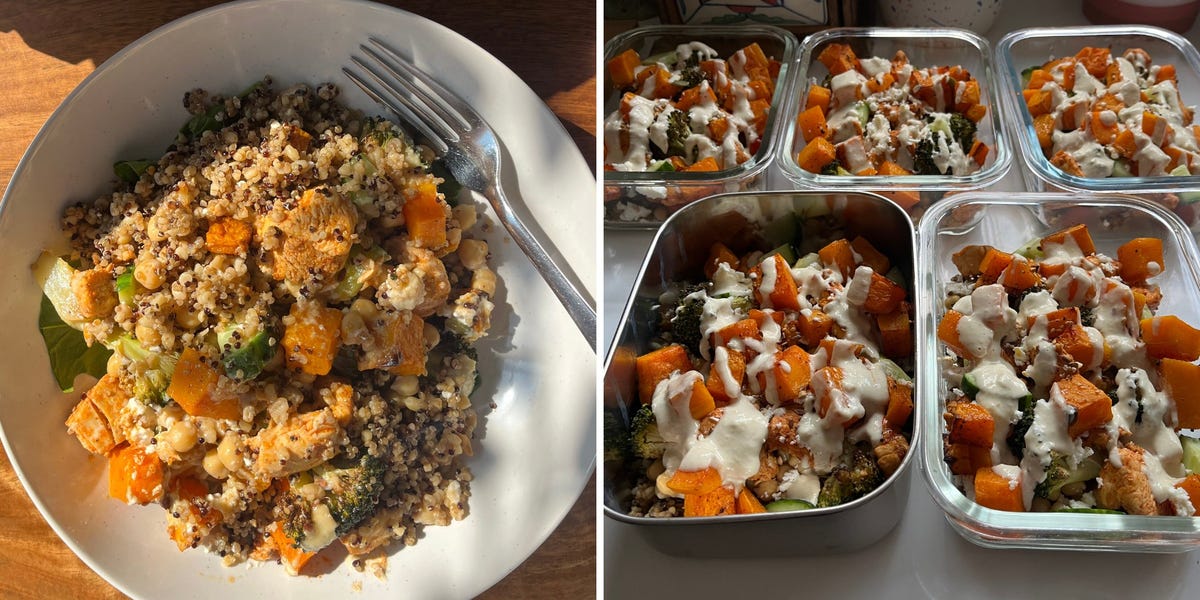
Heme iron—found in pasture-raised red meat, poultry, and seafood—is absorbed by the human digestive tract at roughly two to three times the rate of non-heme iron. If you follow a plant-based diet, prioritize foods rich in non-heme iron such as lentils, chickpeas, pumpkin seeds, and cooked spinach, but always combine them with a potent source of vitamin C. Ascorbic acid actively converts non-heme iron into a more soluble, easily absorbed chemical form.
Time Your Beverages Wisely
That morning cup of coffee or matcha is wonderful for focus, but the polyphenols and chlorogenic acids within them significantly block non-heme iron uptake. Aim to enjoy your teas, coffees, and dairy products at least one to two hours before or after your primary iron-dense meals.
Always Test Before You Supplement
While it can be tempting to buy an over-the-counter iron pill at the first sign of fatigue, doing so blindly can be hazardous. The human body lacks an active physiological excretion pathway for excess iron; unmonitored supplementation can lead to iron toxicity (hemochromatosis), which damages the liver, pancreas, and heart. Always request a comprehensive iron panel—including serum iron, ferritin, total iron-binding capacity (TIBC), and transferrin saturation—under medical supervision before starting therapeutic doses.
Key Takeaways for Daily Living
- Look for the constellation of signs: Unrelenting fatigue paired with dark under-eye circles, breathlessness on minor exertion, and brittle nails points toward systemic mineral depletion.
- Demand the right blood tests: Ask your healthcare provider specifically for a ferritin test in addition to a standard Complete Blood Count (CBC) to check your underlying storage levels.
- Optimize absorption: Pair plant-based iron with vitamin C (like lemon juice, bell peppers, or berries) and keep coffee and tea away from iron-rich meals.
- Prioritize professional guidance: Never start high-dose iron supplements without blood work confirming a clinical deficiency.
Source Attribution: Article content originally reported by Sabrina Malhi. Read original story coverage on Sabrina Malhi →