
Understanding Inflammation: The Body's Double-Edged Sword
Inflammation is a fundamental biological response that keeps us alive. When you cut your finger or twist an ankle, your immune system dispatches white blood cells, inflammatory cytokines, and blood flow to the injured site. This response produces redness, heat, swelling, and pain—signals that your body is actively defending and repairing itself. This localized, temporary reaction is known as acute inflammation, and without it, a simple minor infection could quickly become life-threatening.
Problems arise when this protective system fails to turn off. Chronic systemic inflammation occurs when the immune system remains in a perpetual state of low-grade alert, circulating inflammatory molecules throughout the vascular system for months or years. Instead of healing tissues, this sustained biological fire damages healthy cells, arterial walls, joint cartilage, and metabolic pathways. Researchers now recognize chronic low-grade inflammation as a primary driver behind many modern non-communicable diseases, including coronary artery disease, type 2 diabetes, non-alcoholic fatty liver disease, neurodegenerative conditions like Alzheimer's, and several forms of cancer.
While genetics, stress, sleep deprivation, and environmental toxins contribute to systemic inflammation, diet plays a central role in modulating this response. Every meal you eat presents a biochemical signal to your body, either fanning the inflammatory flames or delivering the essential raw materials needed to quench them.
The Biochemical Drivers: How Food Modulates Inflammation
To implement an anti-inflammatory diet effectively, it helps to understand the underlying mechanisms connecting dietary choices to cell signaling pathways. Food influences systemic inflammation through several key metabolic routes:
1. The Eicosanoid Cascade and Fatty Acid Ratios
Polyunsaturated fatty acids (PUFAs) form the structural membranes of every cell in the human body. When an inflammatory stimulus occurs, membrane fats are converted into signaling molecules called eicosanoids. Omega-6 fatty acids, specifically arachidonic acid, generally produce pro-inflammatory eicosanoids (prostaglandins and leukotrienes) that promote tissue swelling and immune cell recruitment. Conversely, omega-3 fatty acids, specifically eicosapentaenoic acid (EPA) and docosahexaenoic acid (DHA), produce anti-inflammatory eicosanoids and specialized pro-resolving mediators (SPMs) known as resolvins and protectins.
Ancestral human diets maintained a balanced omega-6 to omega-3 ratio of roughly 1:1 to 4:1. The modern Western diet, heavily reliant on refined seed oils and ultra-processed foods, often skews this ratio to 15:1 or even 20:1. This imbalance primes the immune system for hyper-reactivity.
2. Phytonutrients and Nuclear Factor-Kappa B (NF-kB)
NF-kB is a protein complex that acts as a master switch for the inflammatory response inside human cells. When activated by cellular stress, refined sugar, or trans fats, NF-kB enters the cell nucleus and turns on genes that code for inflammatory cytokines like TNF-alpha, IL-6, and IL-1 beta. Plant compounds—such as polyphenols, flavonoids, and glucosinolates—inhibit NF-kB activation, halting the inflammatory cascade before it cascades throughout the body.
3. The Gut Microbiome and Endotoxemia
Your digestive tract houses trillions of microorganisms that directly communicate with your immune system. A diet rich in prebiotic fibers feeds beneficial microbes, which produce short-chain fatty acids (SCFAs) like butyrate, acetate, and propionate. Butyrate nourishes the cells lining the colon, maintains gut barrier integrity, and exerts anti-inflammatory effects throughout the body.
Conversely, a diet high in refined sugars and unhealthy fats alters the gut microbiome, weakening the intestinal lining. This enables lipopolysaccharides (LPS)—toxic bacterial fragments—to cross into the bloodstream. This condition, known as metabolic endotoxemia, triggers systemic, low-grade immune activation.
Core Pillars of an Anti-Inflammatory Eating Pattern
Transitioning to an anti-inflammatory diet does not require strict calorie counting or eliminating entire food groups unnecessarily. Instead, it shifts the focus toward whole, nutrient-dense foods while minimizing inflammatory triggers.
Top Anti-Inflammatory Foods to Prioritize
- Fatty Fish: Wild-caught salmon, mackerel, sardines, anchovies, and herring (often called the SMASH fishes) are exceptional sources of preformed omega-3 fatty acids (EPA and DHA). Aim for two to three servings per week.
- Dark Leafy Greens: Spinach, kale, Swiss chard, collard greens, and arugula are loaded with vitamins A, C, and K, as well as protective polyphenols that scavenge free radicals and reduce oxidative stress.
- Colorful Berries: Blueberries, blackberries, raspberries, and strawberries derive their rich hues from anthocyanins—potent antioxidants shown to reduce inflammatory markers and improve vascular function.
- Extra Virgin Olive Oil (EVOO): The cornerstone of the Mediterranean diet, high-quality EVOO contains oleocanthal, a natural compound that inhibits COX-1 and COX-2 enzymes in a manner remarkably similar to low-dose ibuprofen.
- Nuts and Seeds: Walnuts, flaxseeds, chia seeds, and hemp seeds offer alpha-linolenic acid (ALA), a plant-based omega-3 fat, along with magnesium and vitamin E.
- Culinary Spices and Herbs: Turmeric contains curcumin, a compound extensively studied for its ability to block inflammatory signaling molecules. Pair turmeric with black pepper (which contains piperine) to boost curcumin absorption by up to 2,000 percent. Ginger, garlic, rosemary, and cinnamon also offer potent bioactives.
- Cruciferous Vegetables: Broccoli, Brussels sprouts, cabbage, and cauliflower contain glucosinolates, which convert into sulforaphane during digestion. Sulforaphane activates the Nrf2 pathway, turning on cellular antioxidant defenses.
- Fermented Foods: Kimchi, sauerkraut, plain kefir, unflavored yogurt, and kombucha deliver live beneficial bacteria to support gut microbiome diversity and reinforce mucosal immunity.
Inflammatory Foods to Minimize or Eliminate
Removing items that spark immune distress is just as crucial as adding protective whole foods. Key inflammatory foods include:
- Ultra-Processed Foods: Packaged snacks, fast food, and convenience meals often combine refined flour, oxidized oils, artificial additives, and sodium, triggering systemic stress.
- Added Sugars and High-Fructose Corn Syrup: Consuming excess sugar leads to rapid spikes in blood glucose and insulin, stimulating the liver to produce pro-inflammatory cytokines and accelerating advanced glycation end-products (AGEs).
- Refined Carbohydrates: White bread, pastries, sugary cereals, and white pasta lack fiber, causing fast blood sugar surges that trigger oxidative stress.
- Industrial Seed Oils: Soybean, corn, cottonseed, sunflower, and safflower oils are rich in omega-6 linoleic acid and are easily oxidized during high-heat commercial processing.
- Trans Fats and Hydrogenated Oils: Found in some fried foods, stick margarines, and commercial baked goods, artificial trans fats significantly raise systemic inflammatory markers like C-reactive protein (CRP).
- Excessive Alcohol: High alcohol intake disrupts the gut barrier, burdens liver detoxification pathways, and promotes systemic biological stress.
A Practical 1-Day Anti-Inflammatory Sample Menu
Adopting an anti-inflammatory approach is simple, delicious, and deeply satisfying. Here is what a typical day of nourishing, anti-inflammatory eating looks like:
Breakfast
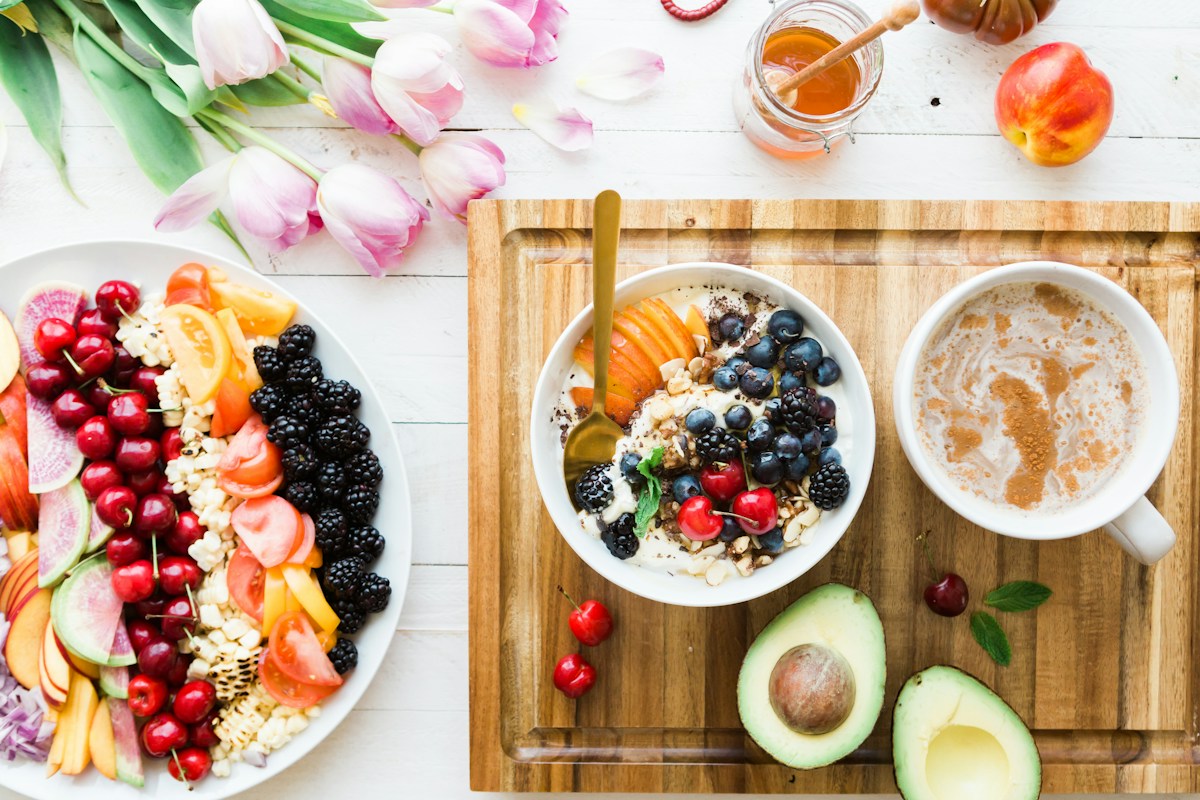
A bowl of warm steel-cut oats cooked in water or unsweetened almond milk, topped with one cup of fresh wild blueberries, a tablespoon of freshly ground flaxseeds, a handful of chopped walnuts, and a light dusting of Ceylon cinnamon. Pair with green tea or matcha, rich in epigallocatechin gallate (EGCG).
Lunch
A vibrant salad featuring mixed greens and baby spinach, topped with 4 ounces of grilled wild salmon or baked sardines, half an avocado, cherry tomatoes, sliced cucumbers, and pumpkin seeds. Dress generously with cold-pressed extra virgin olive oil and fresh lemon juice.
Afternoon Snack
Crispy sliced bell peppers and sugar snap peas served with traditional homemade hummus made from chickpeas, tahini, extra virgin olive oil, and minced garlic.
Dinner
Pan-seared pasture-raised chicken breast or tempeh marinated in garlic, ginger, and turmeric. Serve alongside roasted Brussels sprouts tossed in olive oil and a side of steamed quinoa cooked in vegetable bone broth.
Evening Treat
Two small squares of extra-dark chocolate (85% cacao or higher) served with a warm cup of brewed chamomile or golden milk tea made with unsweetened coconut milk, turmeric, black pepper, and ginger root.
Beyond the Plate: The Lifestyle Connection
Dietary adjustments are most effective when supported by lifestyle habits that naturally lower inflammation. Chronic mental stress elevates cortisol and circulating pro-inflammatory cytokines. Prioritizing seven to nine hours of quality sleep nightly allows the brain's glymphatic system to clear metabolic waste products. Regular, moderate physical activity—such as brisk walking, swimming, or strength training—promotes the release of anti-inflammatory myokines from skeletal muscle tissue.
By swapping processed foods for nutrient-dense whole ingredients, balancing your fatty acid intake, and prioritizing gut health, you provide your body with the exact tools it needs to keep inflammation in check and foster long-term vitality.


