A Silent Passenger in Our Daily Diet
Have you ever paused to look around your kitchen and realized just how much plastic surrounds your everyday meals? From the cling wrap preserving last night's leftovers to grocery bags, squeeze bottles, and takeout containers, synthetic materials dominate modern convenience. For years, environmental scientists warned us about plastic accumulation in our oceans and landfills, but an urgent conversation is now unfolding much closer to home: what happens when these materials make their way inside our bodies?
Groundbreaking research from Texas A&M University has provided fresh insight into this very question. Investigating polyethylene—the world's most widely manufactured plastic—scientists discovered a troubling connection between ingested microplastics and metabolic liver health. Even more striking was their discovery that the harm multiplied significantly when paired with an unhealthy, high-fat diet.
The Texas A&M Study: Understanding the Findings
Highlighted by Texas A&M University's College of Veterinary Medicine and Biomedical Sciences, this pivotal study examined how tiny polyethylene fragments affect organ physiology over time. Polyethylene is ubiquitous; it accounts for a massive share of single-use food packaging, film wraps, and household containers worldwide.
In the study, researchers evaluated the physiological impact of polyethylene microplastics in animal models subjected to different nutritional regimens. The findings demonstrated that exposure to polyethylene microplastics noticeably accelerated and aggravated markers of fatty liver disease. While plastic particles alone provoked cellular stress, their detrimental effects escalated dramatically when combined with an energy-dense, poor-quality diet.
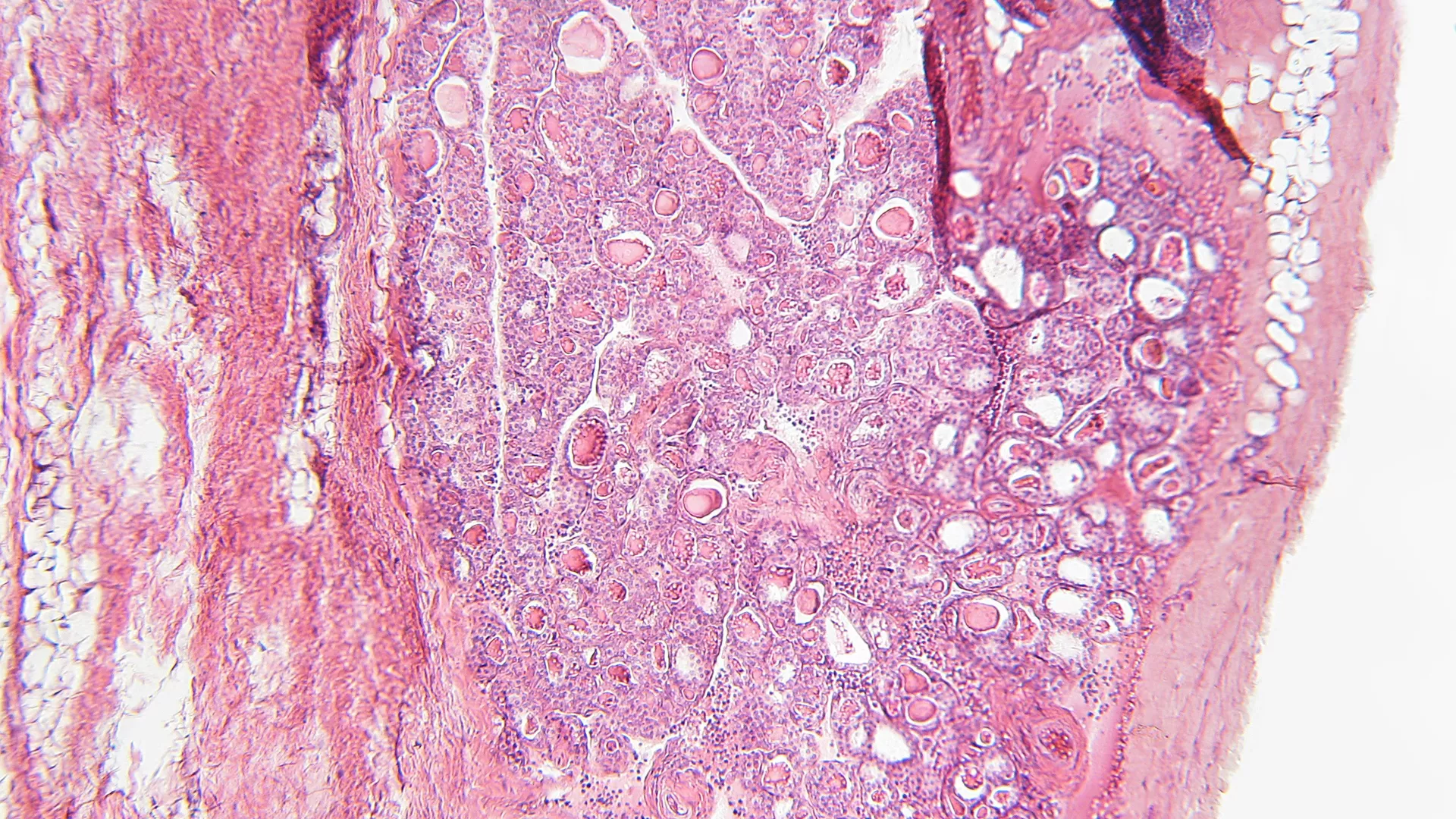
Instead of acting as biologically inert debris that simply passes through the digestive tract unnoticed, these microscopic particles actively compounded the metabolic insults typically caused by high-fat and high-sugar diets. The presence of microplastics prompted heightened fat accumulation, increased tissue inflammation, and amplified markers of cellular damage within liver tissue.
The Gut-Liver Axis: How Microplastics Reach and Stress the Liver
To understand why these findings matter, it helps to examine how the liver functions as our internal filter. Virtually everything we eat and drink is digested in the gastrointestinal tract, broken down, and absorbed into the bloodstream. Nutrient-rich blood then flows directly to the liver via the portal vein for processing, detoxification, and distribution.
When microscopic plastic particles are swallowed through contaminated water, food packaging leaching, or food preparation, they can disrupt the protective mucosal lining of the gut. Over time, increased intestinal permeability—often referred to as a 'leaky gut'—allows nanoscale and microscale particles to slip into the portal circulation.
Once these alien particles arrive in hepatic tissue, the liver's specialized immune cells, known as Kupffer cells, attempt to clear them. Because synthetic polymers cannot be easily metabolized or degraded by biological enzymes, this clearance effort triggers persistent, low-grade inflammation. When the liver is simultaneously overwhelmed by excess dietary lipids, the combined burden impairs the organ's ability to export and process fat, paving a swift path toward progressive steatosis and fibrotic stress.
Where Polyethylene Hides in Everyday Life
Polyethylene is favored by manufacturers worldwide because it is lightweight, remarkably durable, flexible, and inexpensive. However, these same traits make it pervasive in daily environments:
- Plastic Cling Wrap and Sandwich Bags: Common household items used to package sandwiches, produce, and meal prep portions.
- Grocery and Produce Bags: The thin, translucent single-use bags frequently found in supermarket vegetable aisles.
- Squeeze Bottles and Milk Jugs: High-density polyethylene (HDPE) and low-density polyethylene (LDPE) are standard choices for condiments, dairy, and beverage jugs.
- Coated Paper Cups and Takeout Cartons: Many paper-based food cartons rely on an ultra-thin inner lining of polyethylene film to prevent liquid leaks.
Microscopic fragments shed from these containers during physical friction, heat exposure, UV degradation, or prolonged storage, slowly making their way directly into the food and drink we consume.
Smart, Practical Ways to Reduce Ingestion and Support Liver Health
While eliminating all plastics from modern life is virtually impossible, taking targeted, sensible steps can dramatically reduce your body's total toxic load while giving your liver the nutritional support it needs to thrive.
1. Never Heat Food in Plastic Containers
Heat dramatically accelerates the chemical and physical breakdown of polymers. Avoid microwaving meals in plastic tubs, takeout bowls, or under plastic wraps. Always transfer food to microwave-safe ceramic or tempered glass containers before heating.
2. Upgrade Your Storage and Hydration Essentials
Gradually phase out worn plastic food containers in favor of glass, stainless steel, or ceramic alternatives. For everyday hydration, replace disposable plastic bottles with a durable stainless steel or lead-free glass canteen, and consider using an NSF-certified home water filter designed to capture microplastics.
3. Prioritize Whole, Unpackaged Foods
Highly processed snacks and pre-packaged meals are frequently wrapped in multiple layers of plastic film. Shifting your grocery cart toward whole, unadulterated foods—such as loose local produce, bulk grains stored in your own glass jars, and fresh proteins—limits exposure right at the source.
4. Strengthen Your Liver Through Nutrition
Because the Texas A&M study highlighted the harmful synergy between a poor diet and microplastics, nutrition remains your strongest defensive tool. You can support hepatic resilience by adopting habits that fight metabolic stress:
- Emphasize Cruciferous Vegetables: Broccoli, Brussels sprouts, cabbage, and arugula contain glucosinolates and sulforaphane, which support natural hepatic detoxification pathways.
- Boost Dietary Fiber: Soluble and insoluble fibers from legumes, oats, berries, and chia seeds bind to metabolic byproducts in the digestive tract and foster a resilient gut microbiome.
- Opt for Healthy Fats: Replace industrial seed oils and trans fats with polyphenol-rich extra virgin olive oil, wild-caught fatty fish, and avocados to reduce liver lipid accumulation.
- Limit Refined Sugars and Fructose: Excess liquid sugars and high-fructose corn syrup are primary drivers of fatty liver development; minimizing them frees up liver capacity to manage environmental stressors.
Key Takeaways for Long-Term Wellness
The findings from Texas A&M University serve as an eye-opening reminder that human health does not exist in a vacuum separated from our environment. Our metabolic vitality is continually shaped by both the foods we consume and the materials we use to package them.
- Microplastics Aren't Inert: Polyethylene particles have measurable biological effects that can compound metabolic dysfunctions.
- Diet Acts as a Force Multiplier: A high-fat, ultra-processed diet creates a vulnerable biological environment where plastic particles can accelerate fatty liver progression.
- Small Daily Habits Add Up: Avoiding heated plastics, switching to glass storage, and maintaining an antioxidant-rich, high-fiber diet provide reliable, proactive protection for your liver.
Taking care of your liver is one of the most powerful investments you can make in your vitality. By consciously cutting down on single-use plastics and fueling your body with clean, nutrient-dense meals, you create an internal environment built to withstand modern metabolic challenges.
Source Attribution: Article content originally reported by TOI Science Desk. Read original story coverage on TOI Science Desk →