Have you ever looked at a single photograph and felt the unmistakable weight of history shifting in real time? Photographs taken at international summits often appear routine on the surface—dignitaries in dark suits standing before national flags, offering practiced smiles. Yet, behind the polished optics, these visual moments frequently capture profound reconfigurations of global power, economic trajectory, and shared security.
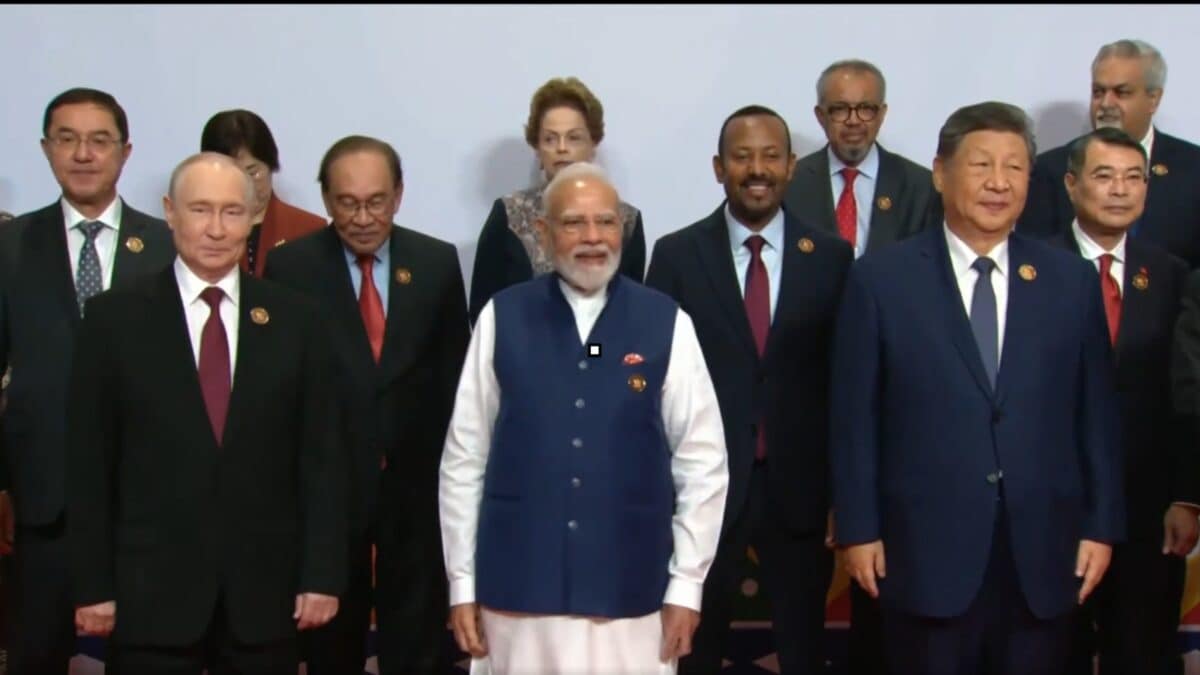
Such was the scene on the second day of the latest BRICS summit in New Delhi, where Indian Prime Minister Narendra Modi stood flanked by Chinese President Xi Jinping and Russian President Vladimir Putin during the official family photo. Bringing together the heads of state from the expanded 11-member grouping, the moment offered a striking visual narrative at a critical crossroads for global diplomacy, international trade, and conflict mediation.
The Symbolism of the 'Power Trio' in New Delhi
The image of Prime Minister Modi positioned centrally between President Xi and President Putin immediately commanded global attention. In the sphere of statecraft, protocol and stage positioning are never arbitrary. Physical placement reflects delicate balancing acts, host status, and the underlying desire to project cohesion amidst diverse national interests.
Hosting the expanded 11-member coalition in New Delhi underscores the pivotal role emerging economies play in navigating contemporary geopolitical friction. With regional conflicts straining international alliances and volatile economic currents affecting everyday citizens worldwide, the presence of these key leaders under one roof demonstrates a collective push toward multilateral engagement.
Rather than a routine photo opportunity, the assembly represented a critical platform where contrasting geopolitical viewpoints converged to explore pragmatic avenues for dialogue and sustained partnership.
Expanding Horizons: From the Original Bloc to an 11-Member Coalition
To fully grasp the significance of this gathering, it helps to understand how much BRICS has evolved over the past decade. What began as an informal economic concept grouping Brazil, Russia, India, China, and later South Africa has transformed into an expansive 11-member multilateral platform encompassing key voices across Latin America, the Middle East, Africa, and Eurasia.
This expanded footprint represents a significant share of the world's population, natural resources, and manufacturing capacity. When leaders of this coalition convene, the discussions extend far beyond symbolic camaraderie:
- Trade and Economic Resilience: Strengthening alternative settlement mechanisms, facilitating cross-border commerce, and diversifying supply chains to insulate developing economies from market shocks.
- Conflict Resolution and Peacebuilding: Addressing active regional disputes and exploring diplomatic channels where conventional frameworks have faced gridlock.
- Multilateral Reform: Advocating for greater representation of the Global South within international governance, financial institutions, and global decision-making forums.
- Resource and Energy Security: Balancing the critical transition toward sustainable development with the immediate necessity of affordable, reliable energy for growing populations.
Conflict, Trade, and Cooperation: The Agenda on the Table
Behind closed doors in New Delhi, the agenda tackled pressing issues directly influencing global stability. Deliberations focused heavily on conflict de-escalation, maritime security, trade corridor resilience, and collective economic development.
Ongoing conflicts across several continents have fractured global supply networks, driving up the costs of food, fuel, and essential consumer goods. For leaders representing billions of citizens, stabilizing trade routes and fostering predictable trade environments are urgent domestic priorities, not merely academic talking points.
By prioritizing continuous dialogue, summits like this aim to mitigate misunderstandings between major regional players. Even when structural disagreements persist, maintaining an active, open channel of communication prevents minor disputes from spiraling into systemic economic disruption.
The Real-World Impact: Why Geopolitical Summits Matter to Everyday Citizens
It is easy to view high-level multilateral summits as distant events that have little bearing on our daily routines. However, international policy shifts and trade agreements orchestrated in capital cities eventually ripple into everyday life across the globe:
1. Household Costs and Market Predictability
Trade frameworks negotiated among major producing and consuming nations directly impact commodity pricing. Greater stability in cross-border trade reduces supply bottlenecks, helping to moderate price volatility on everyday essentials like cooking oils, grains, and household energy.
2. Global Public Health and Environmental Cooperation
Large multilateral groupings increasingly address systemic challenges such as public health preparedness, medical supply resilience, and sustainable development. Establishing unified frameworks across diverse economies allows for better joint responses to future cross-border health and climate emergencies.
3. Economic Diversification and Employment
Collaborative infrastructure initiatives and bilateral investment pacts foster industrial growth across emerging markets, creating job opportunities and spurring technological exchange across borders.
Key Takeaways from the New Delhi Gathering
As the curtains close on this round of high-level deliberations, several clear themes emerge from the New Delhi summit:
- Diplomacy Remains Paramount: Face-to-face interaction among world leaders remains the most effective tool to manage strategic friction and foster constructive working relationships.
- Multipolarity is Solidifying: The expanding roster of the 11-member coalition emphasizes a transition toward a more decentralized, multipolar global framework.
- Pragmatism Over Polarization: Despite ideological differences, participating nations share a mutual interest in preserving trade flow, preventing supply chain disruptions, and safeguarding collective economic stability.
Looking Ahead
The iconic photograph of PM Modi, President Xi, and President Putin standing side-by-side provides a compelling snapshot of an intricate, evolving world order. It serves as a visual testament that diplomacy is a continuous, iterative journey—one built on steady engagement, mutual accommodation, and the recognition that shared prosperity requires ongoing dialogue.
As these 11 nations advance their collaborative frameworks in trade and international cooperation, the outcomes forged in New Delhi will continue to shape the trajectory of global governance for months and years to come.
Source Attribution: Article content originally reported by Karishma Jain. Read original story coverage on Karishma Jain →