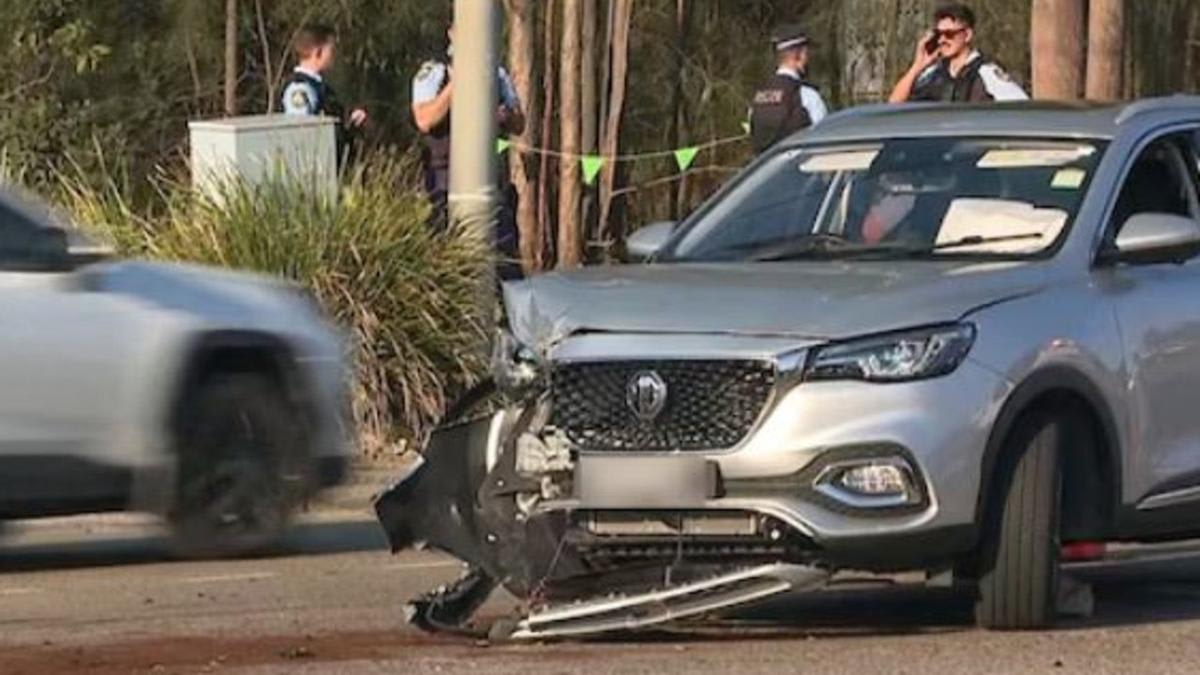
When shocking breaking news crosses our feeds, our initial response is almost always visceral relief that everyone survived. Recently, headlines out of Sydney highlighted a deeply alarming event: a man was arrested on a busy highway after allegedly dragging two young children through a high-speed police chase, a perilous wrong-way highway collision, and a car theft. While physical extraction from a wrecked vehicle marks the end of the immediate crisis for law enforcement, for the young passengers involved, the journey toward emotional recovery is often just beginning.
As adults, we often process emergencies through logic, legal consequences, and practical aftermath. Children, however, experience life-threatening events through intense somatic and sensory registers. When kids find themselves trapped in an erratic vehicle during high-stakes maneuvers, the cascade of survival hormones can reshape their nervous systems long after the sirens fade. To understand how we support young survivors of profound vehicular trauma, we must examine what happens inside a developing brain during severe crises and how caregivers can foster true emotional rehabilitation.
The Neurobiology of Acute Fear in Developing Minds
Children depend on their caregivers and surrounding environments for core safety cues. When that foundational security is suddenly replaced by erratic driving, catastrophic collisions, and visible chaos, the nervous system undergoes profound disruption. The brain’s amygdala activates an overwhelming alarm, flooding the bloodstream with epinephrine, norepinephrine, and cortisol.
In adults, the prefrontal cortex can attempt to contextualize risk and devise survival strategies. In developing children, the capacity for cognitive rationalization is far less mature. The sensation of being physically trapped in a moving vehicle during a pursuit creates what trauma specialists describe as an inescapable attack scenario. Because physical flight is physically impossible, the nervous system often oscillates violently between extreme hyperarousal (panic, screaming, intense terror) and severe hypoarousal (freezing, dissociation, emotional numbness).
Recognizing Hidden Symptoms: Beyond the Physical Bruises
Pediatric emergency physicians are adept at screening for internal injuries, fractures, and concussions. Yet, the non-physical aftermath of vehicular terror can remain covert for days, weeks, or even months. Caregivers and loved ones need to know the developmental signs of acute stress disorder and emerging post-traumatic stress.
- Somatic Manifestations: Young children frequently convert emotional panic into physical ailments. Chronic stomach aches, unexplained nausea, tension headaches, and rapid heart rates often emerge without medical explanation.
- Developmental Regression: Experiencing mortal dread can trigger regressive behaviors in children. This might include bedwetting after being fully potty trained, thumb sucking, baby talk, or sudden separation anxiety.
- Vehicular and Sensory Triggers: Reluctance or outright refusal to enter cars, extreme distress when hearing emergency sirens, or hyperventilating at highway speeds are direct signs of environmental trauma triggers.
- Disrupted Sleep Architecture: Frequent nightmares, night terrors, difficulty settling at bedtime, or waking up screaming are hallmarks of a nervous system stuck in a hypervigilant loop.
- Behavioral Dysregulation: Uncharacteristic bursts of rage, aggressive outbursts toward siblings, or sudden withdrawal into quiet apathy reflect an overloaded emotional regulation system.
Restoring Safety: Key Steps for Emotional Stabilization
Healing a traumatized child requires deliberate, compassionate, and predictable intervention. The human brain exhibits remarkable neuroplasticity, meaning that supportive, secure relationships can actively remodel neural pathways scarred by terrifying events.
1. Establish Relentless Predictability
Trauma shatters the assumption that the world is orderly and safe. Rebuilding that inner sense of control begins with micro-routines. Maintain strict, soothing schedules for meals, school, and bedtime. Knowing exactly what happens next helps calm an overactive autonomic nervous system.
2. Validate Emotions Without Reinforcing Helplessness
It is natural for adults to want to dismiss fear by saying, "It's over, you're fine now." While well-intentioned, this can lead children to suppress genuine distress. Instead, try reflective affirmations: "That was terrifying, and it makes complete sense that your heart is beating fast. But look around us right now—we are safe, I am here, and nobody can hurt you."
3. Engage in Somatic Grounding Techniques
Because vehicular trauma engages the body's freeze-and-flight mechanisms, cognitive talking alone is often insufficient. Somatic exercises help children reconnect safely with their physical bodies. Deep diaphragmatic breathing—such as pretending to blow out birthday candles or smelling hot cocoa—stimulates the vagus nerve and activates the parasympathetic relaxation response.
4. Gradual and Empathetic Desensitization
Returning to routine transportation after a highway pursuit and crash can be an immense challenge. Never force a traumatized child into a vehicle through intimidation or rushed schedules. Start by sitting quietly in a parked car with the engine off while listening to soothing music. Progress incrementally to short, low-speed neighborhood drives before returning to major arterial roads.
When to Seek Professional Support
While acute stress reactions are expected in the immediate wake of terrifying incidents, symptoms that persist beyond one month warrant professional pediatric psychological evaluation. Evidence-based therapies such as Trauma-Focused Cognitive Behavioral Therapy (TF-CBT) and Eye Movement Desensitization and Reprocessing (EMDR) have demonstrated exceptional efficacy in helping young minds reprocess terrifying memories into resolved past events.
Communities and families must recognize that physical survival is only the baseline of health. While justice systems address the reckless actions that place innocent lives in jeopardy on our roads, our collective responsibility remains centered on the young lives caught in the crossfire—ensuring their resilience is met with the care, patience, and professional resources required to heal completely.
Source Attribution: Article content originally reported by Blair Jackson NewsWire. Read original story coverage on Blair Jackson NewsWire →