Screen Time Reimagined: Fostering Emotional Intelligence Through Storytelling
How often do we find ourselves worrying about the quality of the media our children consume? In an era dominated by hyper-stimulating cartoons and endless digital scrolls, finding entertainment that actually supports a child's psychological and emotional development can feel like searching for a needle in a haystack. Yet storytelling remains one of the most powerful vehicles for teaching empathy, resilience, and self-awareness.
This weekend marks the exciting return of a community event designed with that exact balance in mind. The second annual Like You Children's Film Festival is back at the Pink Palace, turning the historic venue into a vibrant, interactive haven dedicated to emotional growth, mindfulness, and authentic connectivity for kids and families alike.
The Power of Narrative: Why Emotional Literacy Matters for Kids
Children experience a whirlwind of big emotions every single day—excitement, anxiety, frustration, jealousy, and profound joy—often without having the vocabulary to explain what is happening inside their bodies. When young people encounter stories that reflect their inner lives, something transformative happens. They realize that they are not alone in their feelings.
Developmental psychologists frequently emphasize the importance of social-emotional learning (SEL) during early childhood. Engaging with thoughtfully curated films allows children to witness characters navigating conflict, working through sadness, and practicing kindness. Rather than acting as a passive digital pacifier, intentional media serves as both a mirror and a window: a mirror reflecting the child's own emotional landscape, and a window granting them insight into the diverse experiences of others.
Moving Beyond Passive Consumption
What sets the Like You Children's Film Festival apart is its deliberate rejection of passive viewing. By curating shorts and cinematic pieces centered on mindfulness, self-compassion, and interpersonal relationships, the festival transforms the cinema into an active emotional playground.
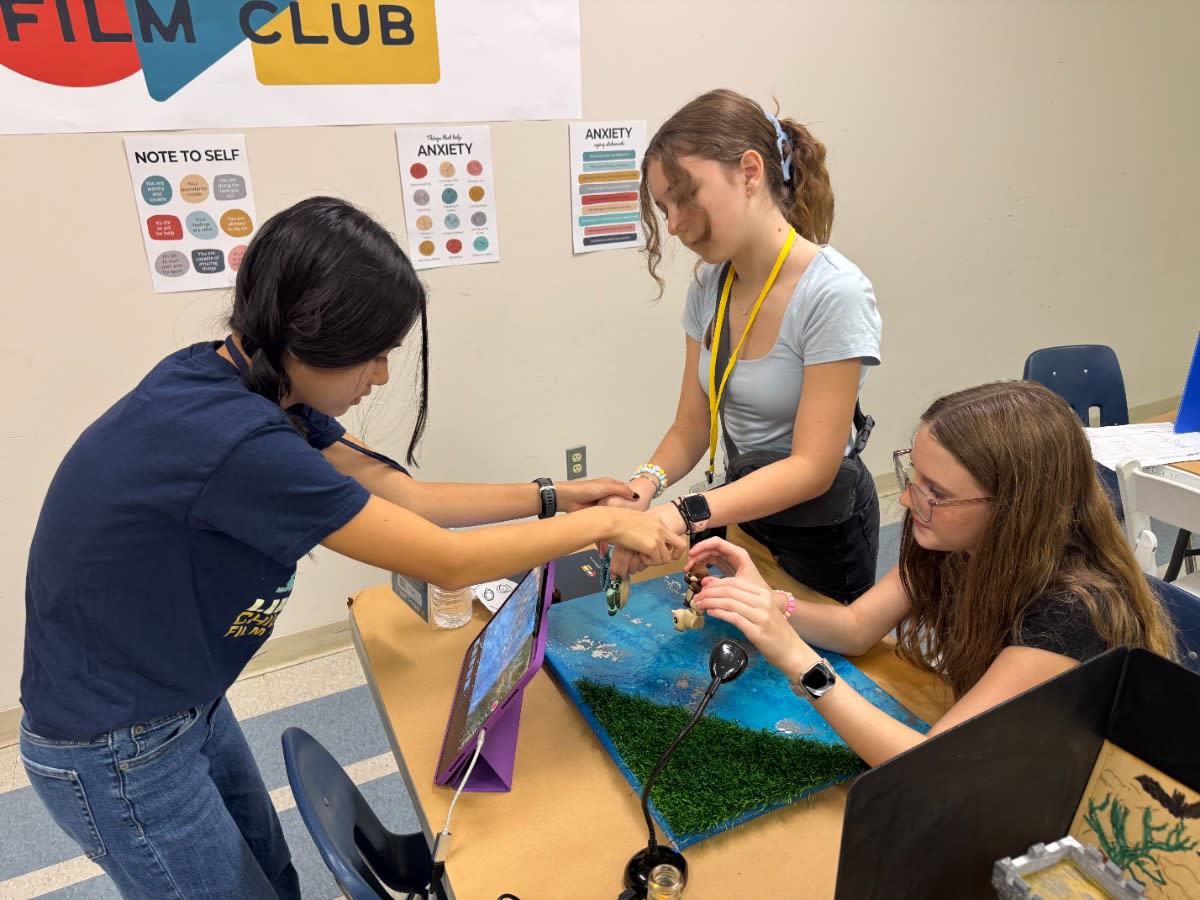
The event pairs captivating visual art with an interactive environment, encouraging children to physically and vocally participate in the storytelling process. When children sing, move, breathe, and reflect alongside characters on screen, the lessons move from abstract concepts into embodied experiences.
The Science of Co-Viewing: Transforming Screen Time Into Connection
Many parents carry subtle guilt regarding screen time, but researchers in child development consistently point out that context matters far more than simple minutes on a clock. One of the most effective ways to maximize the benefits of media is a practice known as co-viewing.
Co-viewing occurs when caregivers and children experience media together, actively discussing the themes, laughing at shared jokes, and processing challenging moments collaboratively. Events like the festival at the Pink Palace provide the ideal setting for this dynamic to flourish.
- Shared Emotional Reference Points: Watching a protagonist overcome fear gives families a common language to refer back to during difficult moments at home or school.
- Strengthened Attachment: Sitting side by side, reacting together, and discussing stories creates relational warmth and reinforces a child's sense of psychological safety.
- Contextual Understanding: Adults can gently clarify complex plot points or moral quandaries, guiding children toward constructive takeaways.
Practical Ways to Encourage Emotional Connectivity at Home
Whether you are attending an interactive festival this weekend or enjoying a movie night in your living room, you can easily replicate these connection-building principles in everyday life. Here are several actionable strategies to elevate your family's media routines:
1. Ask Open-Ended Reflection Questions
Instead of asking a simple 'Did you like the movie?', try nudging your child toward emotional inquiry. Ask questions such as: 'How do you think that character felt when their friend walked away?' or 'What would you have done if you felt that scared?' These prompts encourage children to step inside someone else's shoes and articulate complex emotional states.
2. Normalize the Full Spectrum of Feelings
Films often dramatize uncomfortable emotions like anger, grief, or loneliness. Use these moments to validate your child's feelings. Remind them that no emotion is inherently 'bad' or forbidden; rather, it is what we choose to do with our feelings that counts. Pointing out how characters breathe through frustration or ask for help normalizes self-regulation.
3. Extend the Story Through Creative Play
After the credits roll, invite your child to draw their favorite scene, act out an alternate ending with their toys, or write a letter to one of the characters. Creative extension helps cement the narrative's underlying values and allows children to process any big themes at their own developmental pace.
The Pink Palace: A Community Space for Shared Wonder
Returning to the iconic Pink Palace adds a unique layer of wonder to this year's festival. Community cultural centers and science museums are far more than just tourist destinations—they serve as shared living rooms where families can unplug from solitary devices and reconnect with their broader community.
When children see their peers laughing, clapping, and engaging in the same physical space, it breaks down the isolation that modern screen culture can unintentionally cultivate. It reminds young minds that empathy is not just an individual practice, but a collective one that knits a community together.
Key Takeaways for Mindful Families
- Intentional Media Matters: Highlighting films focused on emotional intelligence helps children build vital social-emotional vocabulary and coping skills.
- Interactive Environments Win: Storytelling environments that invite physical participation and active reflection make emotional lessons memorable and actionable.
- Co-Viewing Builds Bonds: Experiencing narratives alongside your child turns potentially isolating screen time into an engine for family bonding.
- Community Spaces Enrich Learning: Gathering in local cultural hubs like the Pink Palace reinforces that emotional growth is a shared, celebrated journey.
As the second annual Like You Children's Film Festival welcomes families through its doors this weekend, it offers a refreshing reminder of what childhood entertainment can achieve. By focusing on emotional growth, self-discovery, and meaningful human connection, we can help the next generation grow into empathetic, resilient, and deeply connected individuals.
Source Attribution: Article content originally reported by Michael Waddell. Read original story coverage on Michael Waddell →