
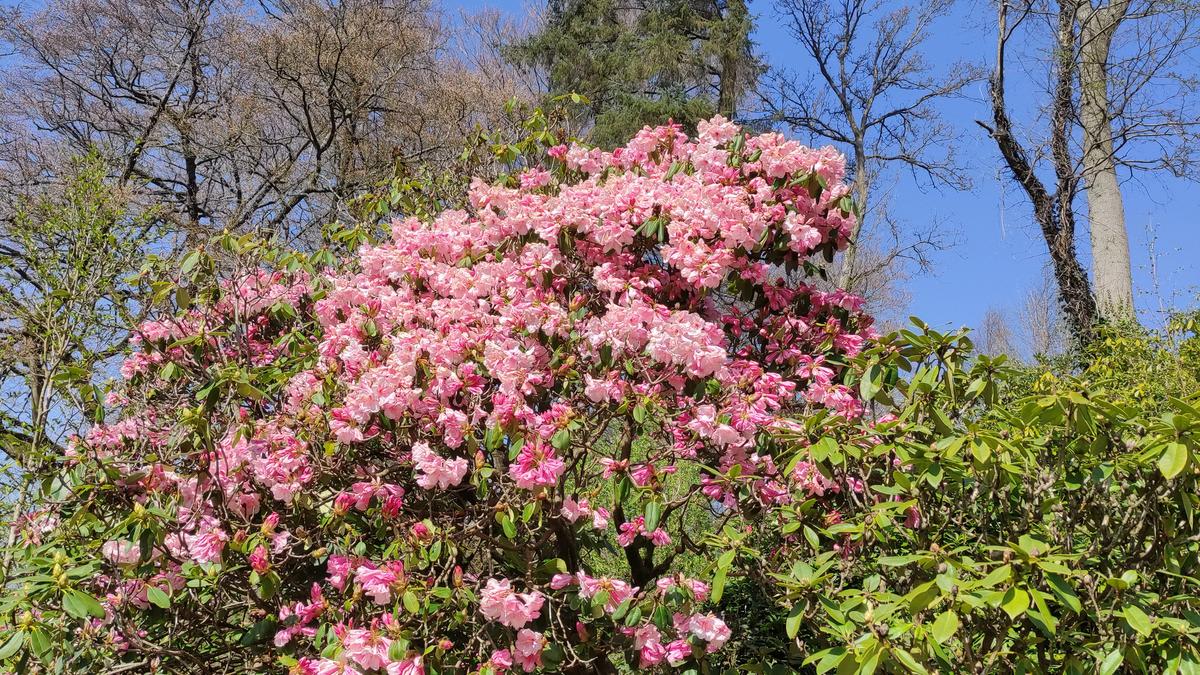
Have you ever watched a young child crouch beside a damp log, completely spellbound by the gentle scuttle of a woodlouse or the iridescent sheen of a ground beetle? In that quiet, unhurried moment, something profound happens. The hurried hum of screens, homework deadlines, and daily domestic rush melts away, replaced by pure wonder. Spring is probably the most exciting time to be in the garden, marking an annual turning point where the frozen earth awakens and life bursts forth in vibrant, frantic energy. Yet, beyond the aesthetic pleasure of early daffodils and crisp green shoots, transforming your outdoor space into a sanctuary for local creatures might just be one of the most transformative gifts you can give your household.
The Reconnection Revolution: Why Wild Spaces Matter at Home
Over the past few decades, our residential landscapes have undergone a quiet, sterile revolution. Tightly manicured lawns, sterile composite decking, and plastic artificial turf have systematically replaced the brambles, hollow stems, and damp corners where wildlife once thrived. In doing so, we have inadvertently isolated our homes from the rhythmic pulse of the natural world. Creating a wildlife garden is not about surrendering your yard to unmanageable chaos; rather, it is an intentional choice to share your living space with native birds, pollinators, amphibians, and mammals.
This deliberate shift turns a passive plot of grass into a dynamic living classroom. When children witness pollination firsthand or discover frogspawn transforming in a miniature pond, ecological literacy stops being an abstract textbook concept. It becomes a tactile, living reality woven directly into their childhood memories. They learn that humans are not detached spectators of the environment, but active, responsible participants in a wider, interconnected web.
The Wellness Multiplier: Soil, Serotonin, and Calm Minds
The health benefits of inviting wildlife into your domestic sphere extend far deeper than simple fresh air. Modern environmental psychology consistently highlights Attention Restoration Theory, which explains how natural environments gently engage our involuntary attention, allowing our depleted mental focus to recover from the cognitive fatigue caused by digital devices. For children navigating school pressures and adults managing workplace burnout, step-by-step engagement with a living garden acts as an emotional decompression chamber.
Furthermore, scientific research into the human microbiome suggests that getting our hands into rich, organic soil introduces us to beneficial microorganisms such as Mycobacterium vaccae. This harmless soil bacterium has been shown in laboratory studies to stimulate serotonin production in the brain, naturally easing anxiety and lifting mood. When your family works together planting native perennials, turning compost, or gathering fallen leaves, you are actively supporting both mental resilience and immune health through microbial diversity and gentle, functional physical movement.
Designing a Family-Friendly Wildlife Oasis: Practical First Steps
You do not need sprawling countryside acreage to make a measurable difference. Even a small urban patio, a compact suburban backyard, or a balcony can become an invaluable stepping stone in an ecological wildlife corridor. The secret lies in providing four foundational pillars: food, water, shelter, and freedom from toxic chemicals.
1. Harness the Magic of Native Planting
Wildlife and native plants have co-evolved over millennia. While exotic hybrid blooms often look striking, many have been bred to the point where they produce little to no pollen or nectar. In contrast, native wildflowers, shrubs, and flowering trees offer abundant nourishment for local bumblebees, solitary bees, and butterflies.
- Early Bloomers: Plant primroses, lungwort, and native spring bulbs to nourish emerging queen bumblebees seeking their first meals after hibernation.
- Caterpillar Host Plants: Welcome plants like nettles, bird's-foot trefoil, and native grasses, which serve as crucial nurseries for butterfly larvae.
- Berry-Bearing Shrubs: Incorporate hawthorn, rowan, or elderberry to provide autumn feasts for migratory and resident songbirds.
2. Introduce a Simple Water Source
Water is the true catalyst of any wildlife sanctuary. You do not need to excavate an elaborate ornamental lake; even a shallow ceramic dish filled with stones, or a sunken, upcycled washing-up tub, can instantly attract life. The presence of water invites bathing birds, thirsty hedgehogs, dragonflies, and breeding frogs.
Always ensure your water feature has gently sloping edges or thoughtfully placed stepping stones. This ensures that smaller visitors, like insects or fledgling birds, can drink safely and climb out without the danger of drowning.
3. Celebrate Structural Diversity and "Messy" Corners
Perfection is the enemy of biodiversity. Tidy, spotless gardens leave little room for small creatures to shelter from predators or survive freezing winter nights. Dedicate an out-of-the-way corner of your space to intentional wildness.
- Log and Brush Piles: Stack fallen branches, bark, and twigs to create an architectural paradise for beetles, fungi, and hibernating amphibians.
- Leave the Leaves: Instead of bagging up autumn leaf litter, rake it under hedges and beneath shrub borders to insulate the soil and feed foraging blackbirds.
- Hollow Stems and Seed Heads: Resist the urge to cut down perennial flower stems in autumn; hollow stems provide cozy winter retreats for beneficial insects.
4. Ban the Sprays: Embracing Natural Balance
To truly welcome wildlife, chemical pesticides, weedkillers, and slug pellets must be permanently retired. Chemical interventions do not just eliminate targeted garden pests; they ripple through the food chain, poisoning the thrushes that eat the snails, the blue tits that feed aphids to their chicks, and the beneficial soil organisms that feed your plants. When you step back from spraying, natural predators arrive to restore equilibrium naturally.
Practical Projects to Tackle Together This Spring
Spring is the ideal moment to embark on practical family projects that spark joy and immediate results. Building a simple bug hotel out of hollow bamboo canes, pinecones, and drilled scrap wood offers an afternoon of hands-on creativity for children of all ages. Sowing a mini-meadow patch by replacing a square meter of turf with a wild pollinator seed blend creates a kaleidoscope of summer color right outside your kitchen window.
Consider establishing a nightly ritual of sensory exploration. Step out at dusk with a flashlight to spot nocturnal creatures awakening: earthworms emerging onto the lawn, moths fluttering toward early-blooming blossoms, and perhaps even a hedgehog snuffling along the fence line. These small, consistent encounters ground children in the miraculous cadence of nature.
Key Takeaways for Your Household
- Start Small: Even a window box of native herbs or a shallow saucer of fresh water makes an immediate, positive ecological impact.
- Prioritize Biodiversity Over Neatness: A slightly untamed garden is exponentially richer in life and far more restorative to the human spirit than manicured turf.
- Cultivate Lifelong Values: Involving children in caring for tiny creatures nurtures empathy, observation skills, patience, and environmental responsibility.
- Ditch the Chemicals: Allow birds, predatory beetles, and amphibians to manage garden pests naturally, safeguarding your family's health and the local ecosystem.
Embracing the Unfolding Wonder
When we open our garden gates to nature, we gain far more than we give. We trade predictable, sterile grass for a front-row seat to the unfolding theater of the seasons. This spring, resist the pressure for landscape perfection. Pick up a trowel, scatter some seeds, let a small patch of grass grow tall, and rediscover the boundless wonder waiting right outside your back door.
Source Attribution: Article content originally reported by CHARLIE ALBONE The West Australian Comments Premium. Read original story coverage on CHARLIE ALBONE The West Australian Comments Premium →




