When we examine the costs of prolonged international conflicts, the statistics often focus on territorial shifts, infrastructure damage, and economic strain. Yet, the deepest and most enduring wounds of war are fundamentally human—etched into the minds, bodies, and spirits of separated families, captured civilians, and traumatized youth.
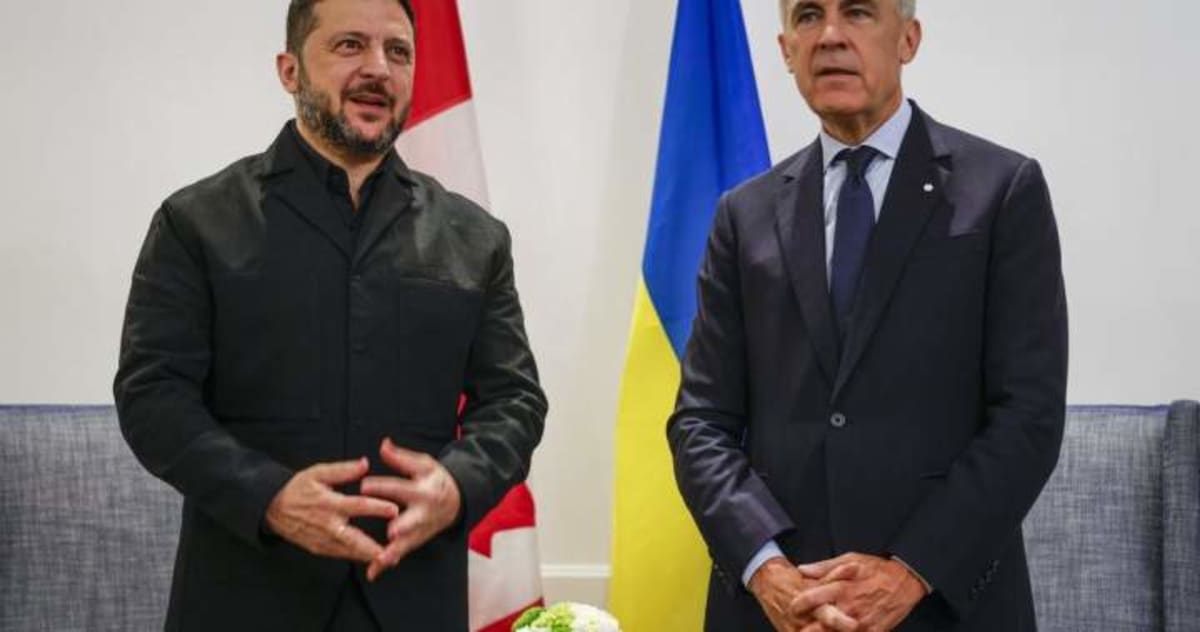
In a vital step toward addressing these severe humanitarian fractures, Canada, Ukraine, and Norway have united to co-host an international conference in Toronto. The central mission of this summit is clear and urgent: securing the return of Ukrainian children, detained civilians, and prisoners of war (POWs). While this initiative represents a major diplomatic milestone, it also underscores a critical health and wellness crisis that will shape generational recovery for decades to come.
The Toronto Summit: A Unified Diplomatic and Humanitarian Coalition
The upcoming international conference hosted in Toronto brings together international delegates, human rights advocates, and policymakers under a shared humanitarian banner. By aligning diplomatic resources, Canada, Ukraine, and Norway aim to build concrete, coordinated mechanisms to identify, locate, and facilitate the safe repatriation of individuals taken during the conflict.
Civilian detentions and the displacement of children represent profound breaches of international humanitarian law. By convening in Toronto, international leaders are emphasizing that diplomatic intervention is not merely about negotiation tactics; it is an urgent public health and human rights intervention required to stem ongoing systemic trauma.
The Developmental Impact: How Displacement Affects Developing Minds
From a pediatric and developmental perspective, the involuntary separation of children from their biological families, culture, and familiar surroundings creates severe neurological and emotional repercussions. Decades of research in child psychology reveal that secure attachments serve as the bedrock for emotional regulation and cognitive development.
When children are abruptly removed from their caregivers and communities, their bodies undergo sustained activation of the sympathetic nervous system. This state, clinically known as toxic stress, can permanently alter brain architecture:
- Impaired Neurodevelopment: Prolonged elevation of cortisol and adrenaline disrupts the development of the prefrontal cortex, which governs executive function, decision-making, and emotional balance.
- Attachment Disruption: Children separated from familiar attachment figures often struggle with reactive attachment patterns, profound trust deficits, and heightened vulnerability to depressive disorders.
- Identity Erasure and Disorientation: Forcibly altering a child's language, environment, and social ties induces identity confusion, often leading to deep-seated existential grief and alienation.
For these reasons, public health experts emphasize that returning displaced children is not solely a logistical necessity—it is a race against time to minimize long-term psychological and physiological harm.
The Rehabilitation Reality for Returning Detainees and Prisoners of War
While the recovery of children demands specialized pediatric care, returning detained civilians and prisoners of war presents an equally complex medical and psychosocial challenge. Those held in captivity frequently endure extreme conditions characterized by severe nutritional deficits, untreated physical injuries, sleep deprivation, and isolation.
The transition from confinement back into civilian life is rarely seamless. Survivors often face Complex Post-Traumatic Stress Disorder (C-PTSD), systemic inflammation brought on by prolonged physical distress, and severe psychological hyperarousal. Healing from these harrowing experiences requires far more than physical freedom; it demands structured, long-term rehabilitation frameworks that address both bodily recovery and psychological safety.
Building Trauma-Informed Systems for Repatriation
As international stakeholders gather in Toronto to coordinate return pathways, medical and humanitarian organizations are calling for comprehensive, trauma-informed reintegration programs. Bringing individuals home is merely the first chapter in a lifelong journey toward recovery.
1. Immediate Stabilization and Medical Care
Upon return, individuals require immediate clinical triage to address acute malnutrition, infectious diseases, and musculoskeletal trauma. Just as importantly, medical evaluations must be conducted with deep empathy, ensuring individuals regain autonomy and control over their personal care.
2. Specialized Psychosocial Support
Mental health recovery must move beyond standard trauma interventions. For children, this involves expressive arts therapies, play therapy, and gentle family-reunification counseling that allows them to re-establish trust at their own pace. For adults, evidence-based therapies like Eye Movement Desensitization and Reprocessing (EMDR) and trauma-focused cognitive behavioral therapy provide critical pathways for processing captive experiences.
3. Community Reintegration and Social Fabric Repair
Trauma does not occur in a vacuum, nor does recovery. Sustainable healing requires community acceptance, educational catch-up programs for youth, vocational training for adults, and resilient social safety nets that validate the lived experiences of survivors without stigmatizing them.
Key Takeaways: Understanding the Human Dimension
- Coordinated Global Action: The summit co-hosted by Canada, Ukraine, and Norway in Toronto highlights the necessity of multinational partnerships in resolving humanitarian and human rights crises.
- Critical Developmental Windows: Repatriating displaced children must remain a top priority to mitigate the biological and psychological damage associated with toxic stress and prolonged separation.
- Holistic Reintegration is Non-Negotiable: Physical return must be accompanied by comprehensive mental health infrastructure, medical rehabilitation, and long-term community reintegration support.
- Global Precedent: Protecting vulnerable populations and prioritizing the return of civilian detainees sets a vital international standard for human dignity and public health during wartime.
Moving Forward: A Shared Responsibility for Healing
The conference hosted by Canada, Ukraine, and Norway represents a crucial beacon of hope for thousands of separated families. As the international community works to dismantle barriers and secure the safe return of Ukrainian children, detained civilians, and prisoners of war, the conversation must continue to encompass long-term healing.
True recovery will not be measured solely by the safe crossing of borders, but by the ongoing commitment to nurture resilient minds, restore fractured families, and provide the compassionate, trauma-informed care that every survivor deserves.
Source Attribution: Article content originally reported by Prisha Dev. Read original story coverage on Prisha Dev →