
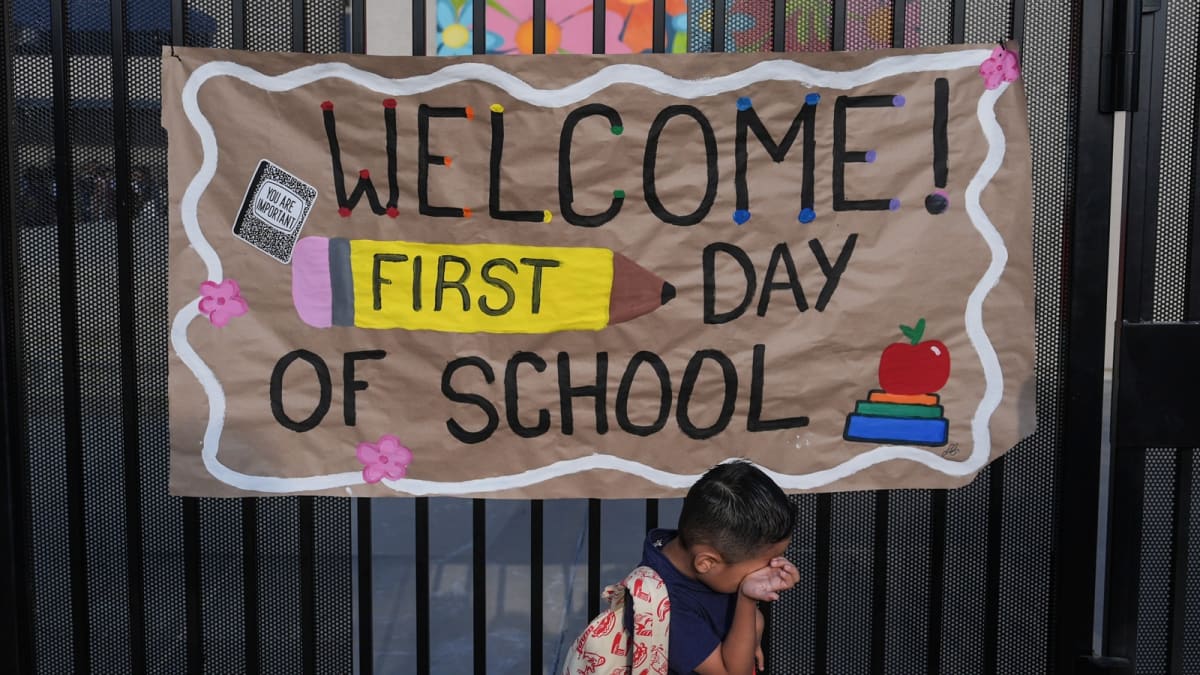
Picture this familiar scene: A seven-year-old sits cross-legged on the rug, brow furrowed, desperately trying to knot the laces of a new pair of sneakers. After two fumbled loops, a groan of exasperation fills the room. Instinctively, a parent steps forward, reaches down, and ties the bow in five seamless seconds. The crisis is averted, the schedule stays intact, and the household moves on. But beneath that small act of care, an essential learning moment quietly evaporates.
In our modern, high-speed world, efficiency often masquerades as good caretaking. With digital devices offering answers in milliseconds and adults constantly managing packed family calendars, children are rarely left alone with their frustration. Yet, experienced educators and child development experts are issuing a vital reminder: kids genuinely need to struggle with everyday problems to develop true independence, emotional grit, and lifelong problem-solving skills.
The Urge to Rescue: Understanding the 'Fixer' Instinct
Nobody enjoys watching a child struggle. Whether it is wrestling with a tricky math equation, negotiating a sandbox dispute, or trying to pack an overstuffed backpack, our natural empathy compels us to step in. In developmental psychology, this dynamic has driven the rise of what researchers often call snowplow or lawnmower parenting—clearing every obstacle from a child's path before they even encounter it.
While this protective instinct comes from a place of deep love, consistently removing barriers carries hidden costs. When adults solve every dilemma, children miss out on discovering their own resourcefulness. Over time, well-meaning interventions can inadvertently foster learned helplessness, where a child assumes they lack the capability to navigate discomfort or figure out a solution without an adult taking the wheel.
What Is 'Productive Struggle' and Why Does the Brain Need It?
Developmental specialists draw a clear line between traumatic distress and what education researchers call productive struggle. Productive struggle occurs when a child engages with a challenge that is just slightly beyond their immediate mastery, but still within their capacity to solve with patience, effort, and strategic thinking.
From a neurobiological standpoint, this wrestling process is where the real magic happens. When children encounter friction, their brains are forced to forge and strengthen new neural pathways. Working through a challenging task prompts the prefrontal cortex to practice executive functioning skills, including working memory, cognitive flexibility, and impulse control. If the answer is handed over immediately, those neural circuits simply do not get the workout they need to grow robust and resilient.
The Hidden Emotional Payoff of Figuring Things Out
Beyond cognitive growth, allowing children to grapple with day-to-day challenges builds authentic self-esteem. True confidence is not built through empty praise or gold stars; it is forged through the quiet, earned realization: I did not know how to do that, it was really hard, but I figured it out anyway.
When a child spends twenty minutes puzzling through the instructions of a building kit and finally clicks the pieces into place, the sense of accomplishment is profound. That feeling activates internal dopamine reward pathways, reinforcing the belief that persistence leads to mastery. Conversely, swooping in to assemble the pieces robs the child of that hard-won psychological reward.
Everyday Opportunities to Step Back and Foster Independence
Supporting productive struggle does not mean abandoning a child in distress or adopting a harsh, sink-or-swim attitude. Instead, it is about shifting our role from a frantic rescue worker to a calm, supportive coach on the sidelines. Here are practical ways to let kids work through everyday friction:
- Implement the 10-Second Pause: When you see your child facing a minor hurdle—like zipping a jacket or searching for a lost notebook—silently count to ten before intervening. Often, that tiny window of breathing room is all they need to try a second approach.
- Validate the Emotion, Not the Defeat: Acknowledge their frustration without taking over the job. You might say, 'I can see how frustrating this puzzle is right now,' rather than immediately placing the missing piece for them.
- Ask Scaffolded Questions: Instead of providing the answer, guide their inquiry. Ask open-ended questions like, 'What part have you figured out so far?' or 'What do you think would happen if we tried turning that upside down?'
- Normalize Failure as Useful Data: Reframe missteps as natural milestones on the path to learning. Remind your child that making a mistake simply means their brain is actively gathering information about what does not work.
Key Takeaways for Raising Independent Problem-Solvers
- Resilience requires practice: Children cannot learn to manage adversity as adults if they are shielded from minor friction in childhood.
- Frustration is a normal emotion: Discomfort during learning is not an emergency that requires immediate intervention.
- Coaching over doing: Shift your mindset from fixing the problem to guiding your child's own thought process.
- Praise the persistence: Celebrate the effort, patience, and creative problem-solving rather than just the final result.
The Ultimate Gift: Believing in Their Capability
Stepping back and letting a child stumble can feel counterintuitive, especially when time is tight or their tears begin to surface. But resisting the urge to rescue is one of the highest forms of respect an adult can show. It sends an unspoken, powerful message: I trust you. I know you are capable, and I believe you have what it takes to figure this out.
By giving our children the space to struggle a little today, we hand them the blueprint for navigating an unpredictable world with courage, autonomy, and quiet confidence tomorrow.
Source Attribution: Article content originally reported by Currents Source. Read original story coverage on Currents Source →




