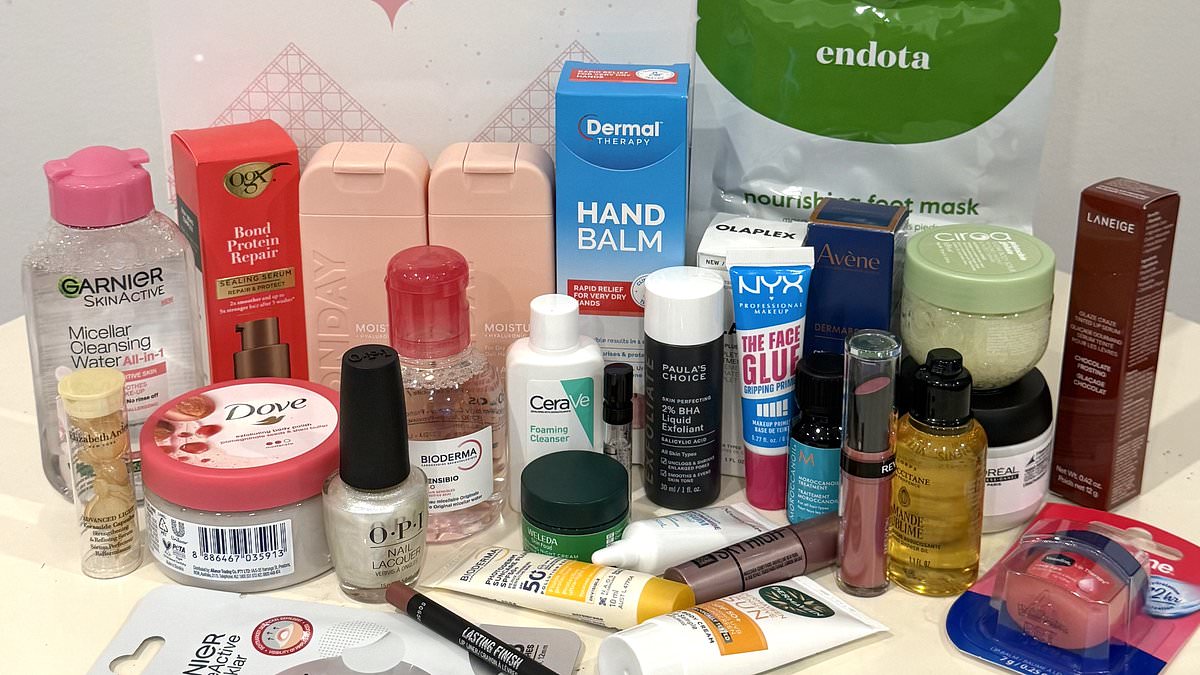
Have you ever paused in the cosmetics aisle, marveling at how accessible, high-performance skincare and makeup have completely reshaped our daily wellness routines? Over the past several years, affordable beauty has transformed from a budget compromise into a celebrated pillar of self-care. Brands that prioritize accessible, skin-friendly formulas have captured both consumer hearts and Wall Street portfolios. Yet, financial tides ebb and flow even within the most vibrant consumer sectors. Recent disclosures reveal that Tidal Investments LLC has trimmed its holdings in mass-market darling e.l.f. Beauty (NYSE: ELF), prompting industry watchers and beauty enthusiasts alike to look closer at what this means for the broader cosmetics landscape.
The Institutional Move: Unpacking Tidal Investments' Position
According to its most recent filing with the Securities and Exchange Commission (SEC), Tidal Investments LLC reduced its position in e.l.f. Beauty by 35.8% during the second quarter. The investment management firm parted with 84,481 shares of the cosmetics powerhouse, leaving it with an ownership total of 151,684 shares at the close of the period.
For those tracking market dynamics alongside beauty trends, portfolio shifts like this inevitably raise questions. When an investment firm sells more than a third of its holding in a high-profile wellness and cosmetics player, is it a vote of declining confidence, or simply standard portfolio management? In reality, institutional portfolio managers routinely execute strategic rebalancing. When a growth stock experiences meteoric valuation surges over multiple quarters, trimming positions allows firms to lock in profits and manage risk across their portfolios, rather than indicating an inherent flaw in the brand's day-to-day operations.
The Cultural Rise of Skin-First, Affordable Beauty
To truly understand the dialogue around e.l.f. Beauty, one has to examine the massive cultural paradigm shift in personal care over recent years. Historically, premium beauty meant paying luxury department store prices for prestige ingredients, elegant textures, and dermatologist-vetted formulas. However, the rise of conscious consumerism and educated skincare enthusiasts dismantled that exclusive model.
Brands like e.l.f. seized this moment by committing to 100% vegan, cruelty-free, and clean formulations free from controversial additives like phthalates, parabens, and sulfates. By delivering viral, high-efficacy products at accessible price points, the brand democratized modern self-care rituals. Everyday consumers no longer have to choose between financial wellness and nurturing their personal beauty regimen.
Navigating the 'Lipstick Effect' in Today's Economy
Economists and consumer analysts often speak of the 'lipstick index'—the idea that during times of economic ambiguity or inflationary pressure, consumers cut back on major luxury purchases but treat themselves to affordable everyday indulgences. A nourishing lip oil, a glowing serum primer, or a hydrating multi-stick can serve as an accessible pick-me-up that supports emotional wellbeing without breaking the monthly budget.
Yet, maintaining hyper-growth within consumer packaged goods is inherently complex. As mass-market consumers become more deliberate with their spending, brands face increasing pressure to innovate sustainably. While e.l.f. has outpaced many traditional legacy brands in speed-to-market and community engagement, institutional investors must constantly weigh historical performance against future market saturation. Trimming shares can reflect an investor's realistic approach to moderating growth rates rather than a dismissal of the category's resilience.
What Does This Mean for the Everyday Beauty Consumer?
If you are someone who relies on accessible cosmetic staples for your everyday morning routine, you might wonder whether Wall Street balance sheets have any bearing on your vanity table. The reassuring answer is that day-to-day operations, product formulation quality, and pipeline development remain fundamentally decoupled from individual fund transactions.
When an investment firm like Tidal sells a block of 84,481 shares while retaining over 150,000 shares, it underscores that the company remains an active, valuable component of their holdings. For everyday shoppers, product availability, clean ingredient commitments, and accessible price tags are likely to remain firmly intact. If anything, competitive pressures will push brands to double down on product efficacy, hybrid skincare-makeup benefits, and transparent ingredient sourcing.
Key Takeaways for Beauty Enthusiasts and Trend Watchers
- Strategic Rebalancing: Tidal Investments LLC's sale of 84,481 shares represents a 35.8% reduction in its position, leaving 151,684 shares, a common rebalancing move following sustained category growth.
- The Power of Accessible Wellness: The affordable beauty sector continues to thrive by blending clean, conscious ingredients with budget-friendly price points, keeping everyday self-care within reach.
- Resilient Consumer Habits: The 'lipstick effect' remains strong, with wellness and personal care continuing to be treated as essential micro-indulgences despite broader macroeconomic caution.
- Focus on Efficacy: Wall Street scrutiny often drives brands to lean further into product innovation, which ultimately benefits consumers looking for performance-driven, skin-friendly essentials.
Looking Ahead: The Future of Conscious Consumerism
The beauty and personal care sectors sit at the intersection of lifestyle, wellness, and consumer finance. While institutional transactions like those made by Tidal Investments offer a fascinating window into market timing and risk distribution, they also remind us of the incredible economic power held by everyday self-care routines. As consumers continue to vote with their wallets for cruelty-free practices, skin-nurturing formulas, and honest pricing, the accessible beauty movement will remain a cornerstone of our evolving daily rituals.
Source Attribution: Article content originally reported by MarketBeat. Read original story coverage on MarketBeat →