Have you ever looked back at an archival photograph and felt an immediate sense that an entire era shifted in a single frame? In the early 1990s, the fashion landscape experienced precisely that kind of seismic rupture. Before she became a globally recognized supermodel, Kate Moss brought a fresh, spirited beauty to Calvin Klein's groundbreaking runway world, permanently altering how society defined elegance, glamour, and personal style.
The Glamour Dynasty Meets the Minimalist Revolution
To understand the magnitude of Kate Moss’ arrival, one must remember the aesthetic that dominated the late 1980s and dawn of the 1990s. The fashion stratosphere was ruled by majestic, statuesque icons like Cindy Crawford, Linda Evangelista, Naomi Campbell, and Christy Turlington. They embodied athletic power, radiant curves, polished sophistication, and high-octane glamour.
These women were larger than life, commanding runways with theatrical confidence and meticulously coiffed hair. Yet, cultural tides are cyclical. Just as society was embracing the stripped-down authenticity of alternative rock and grunge, the visual world of fashion craved an antidote to hyper-curated perfection.
Enter Kate Moss. Standing distinct from the six-foot glamazons of her generation, her arrival was an arresting revelation. She possessed a natural, unstudied ease—an elusive quality that felt both entirely modern and refreshingly human.
The Calvin Klein Partnership: Stripping Away the Excess
When Calvin Klein aligned with Kate Moss in the early 1990s, the collaboration became more than a commercial campaign; it became a cultural manifesto. Klein’s vision championed architectural minimalism, neutral color palettes, clean tailoring, and unpretentious sensuality.
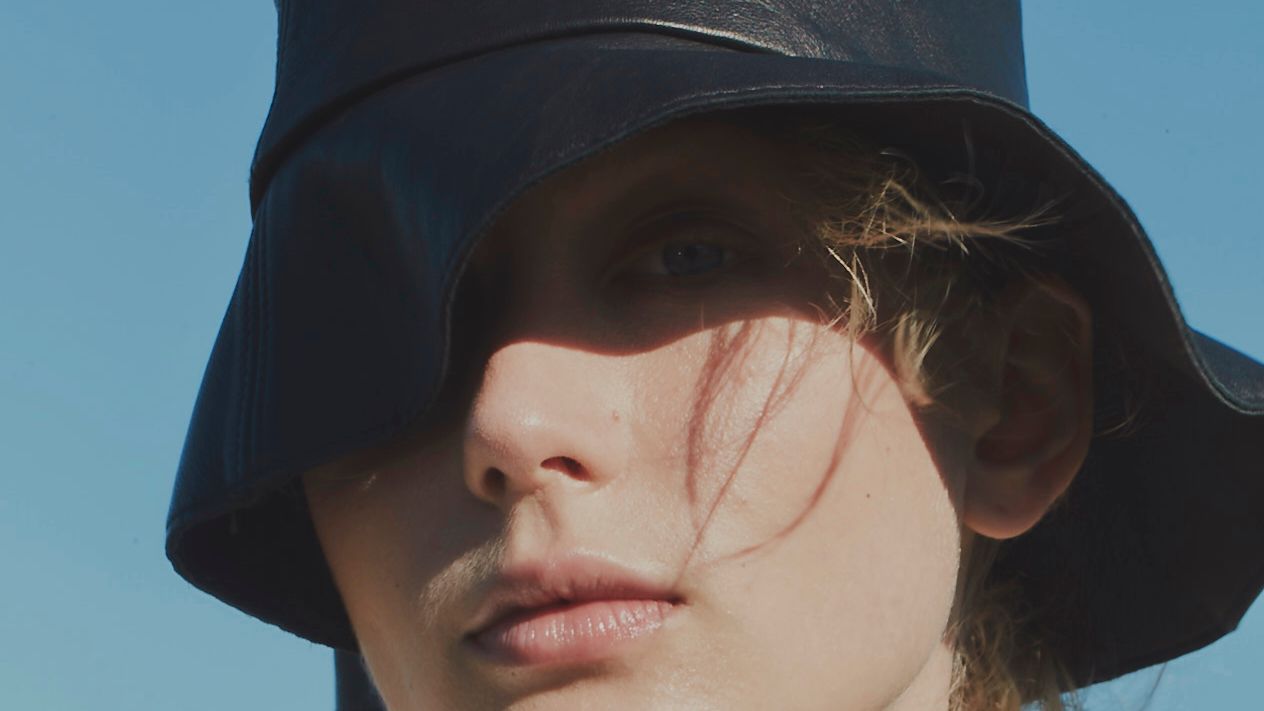
Moss was the quintessential muse for this visual philosophy. Unencumbered by heavy makeup, elaborate styling, or dramatic runway poses, she moved with an instinctive nonchalance. Her campaigns captured an intimate vulnerability that felt relatable to a younger generation tired of unattainable synthetic polish.
This shift moved beauty away from elaborate theatrical performance and redirected it toward understated realism. It introduced an era where a simple slip dress, bare shoulders, and windswept hair could wield far more cultural influence than layers of haute couture embroidery.
The Cultural and Psychological Ripple Effect
Fashion runways do not exist in a vacuum; they inevitably trickle down into everyday beauty standards, wellness discussions, and consumer habits. The shift inaugurated by Moss and Calvin Klein had profound cultural consequences, both inspiring and complex.
1. The Demystification of Beauty
For decades, beauty had been presented as a meticulously constructed artifice requiring hours of styling. The 1990s minimalist movement suggested that beauty could be found in simplicity, freckles, and unvarnished character. It laid the initial groundwork for what we now understand as authentic self-expression.
2. The Evolution of Body Image Conversations
While the era championed natural features, it also initiated critical discussions around body diversity and wellness. The rise of leaner silhouettes prompted society to look closer at the pressures placed on women across the media landscape. Today, looking back at those historical moments helps us appreciate how vital balance, holistic health, and diverse representation are in contemporary wellness culture.
3. The Longevity of Minimalist Design
Beyond body aesthetics, the movement revolutionized the modern wardrobe. The clean lines, slip silhouettes, and monochrome palettes pioneered during this era remain the foundational blueprint for contemporary capsule wardrobes and sustainable personal style.
Why the 1990s Aesthetic Still Dominates Modern Culture
Decades later, our collective fascination with Kate Moss' early work remains stronger than ever. In an age dominated by high-definition digital filters, instant photo editing, and performative aesthetics on social media, people are once again experiencing visual fatigue.
The current rise of the 'no-makeup makeup' look, minimalist skincare routines, and relaxed tailoring directly mirrors the craving for simplicity that defined the nineties. We find ourselves returning to the foundational truth that Moss demonstrated on those early runways: true presence does not require loud posturing.
Cultivating Timeless Simplicity: Key Takeaways for Everyday Wellness
The lessons from this defining cultural turning point extend far beyond runway history. They offer practical inspiration for how we approach our daily routines, self-perception, and personal style today.
- Prioritize Skin Health Over Heavy Concealment: Shift your focus from masking your appearance to nourishing your body from within. A consistent hydration routine, nutrient-dense nutrition, and gentle skincare create a natural glow that no cosmetic product can replicate.
- Curate a Intentional Capsule Wardrobe: Instead of chasing fleeting micro-trends, invest in classic, well-cut basics. Timeless pieces like a tailored blazer, high-quality denim, and an effortless slip dress eliminate decision fatigue and build enduring confidence.
- Celebrate Asymmetry and Individuality: The most memorable beauty icons are rarely symmetrical or conventional. Embrace your unique features—whether it is an unconventional smile, natural hair texture, or distinct bone structure—as your personal signature.
- Uncouple Confidence from External Approval: The magnetic charm of 1990s minimalism was grounded in an attitude of ease. Cultivate a mindset that values feeling grounded and comfortable in your own skin above performing for an audience.
Embracing Your Authentic Narrative
Kate Moss’ 1990s debut reminded the world that beauty is not a rigid formula; it is a living, breathing expression of individuality and mood. By stripping away excess, fashion discovered that restraint often speaks louder than extravagance.
As you navigate your own wellness and style journey, take inspiration from that minimalist philosophy. Clear away the noise of unrealistic expectations, embrace your authentic self, and remember that confidence is always the most timeless garment you can wear.
Source Attribution: Article content originally reported by Tonya Blazio-Licorish. Read original story coverage on Tonya Blazio-Licorish →